
Pop culture’s take on mental health has come a long way, putting borderline personality disorder (BPD) front and center in fan chats and critic debates. Whether through straight-up diagnoses or behaviors that match clinical signs like fear of abandonment or impulsivity, these characters make emotional chaos feel human and relatable.
This article kicks off a deep dive into movie, TV, and book characters showing BPD traits. We go beyond the basics, exploring how fiction nails the identity struggle and feeling overload through the lens of mental health in entertainment.
We’ll break down these characters: Charlie Kelmeckis (The Perks of Being a Wallflower), Tonya Harding (I, Tonya), Harley Quinn (Birds of Prey), Anakin Skywalker (prequel trilogy (Episodes I, II, and III), Fiona Gallagher (Shameless), Clementine Kruczynski (Eternal Sunshine of the Spotless Mind).
Here’s what you’ll get in this piece:
In-depth looks at diagnosed characters.
Talks on “coded” ones (they show traits but no official label).
Roundup of site articles with full character analyses.
- Charlie Kelmeckis (The Perks of Being a Wallflower)
- Tonya Harding (I, Tonya)
- Harley Quinn (Birds of Prey)
- Anakin Skywalker (prequel trilogy (Episodes I, II, and III)
- Fiona Gallagher (Shameless)
- Clementine Kruczynski (Eternal Sunshine of the Spotless Mind)
DOES CHARLIE KELMECKIS FROM THE PERKS OF BEING A WALLFLOWER REALLY SHOW BORDERLINE TRAITS?
This post spills key plot points from The Perks of Being a Wallflower. If you haven’t seen it yet, heads up, there are spoilers.
Who Is Charlie Kelmeckis?
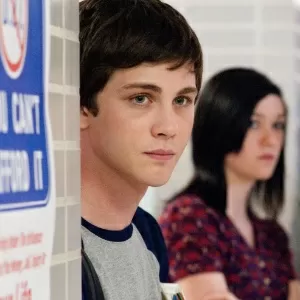
Charlie Kelmeckis is the teen spilling his life story through letters to some stranger in The Perks of Being a Wallflower. He just lost his best friend to suicide and now faces high school freshman year flying solo.
His natural shyness keeps him on the sidelines until Sam and Patrick, step-siblings with big hearts, pull him into their crew. The story tracks his struggle to belong while buried memories from a rough past bubble up out of nowhere.
This character’s emotional rollercoaster peels back the layers of the plot, proving every wild reaction ties back to some deep-rooted pain. Fans often peg Charlie as borderline because of his intense outbursts and those moments he just shuts down from the hurt.
Charlie Kelmeckis’s Backstory
Charlie lost his Aunt Helen in a car crash on his seventh birthday. She’d gone out to grab his gift, leaving him with this massive guilt he can’t quite shake or explain. As a kid, he endured sexual abuse, memories his brain locked away tight just to cope.
He was always more sensitive and tuned-in than other kids, soaking up the world in this overwhelming way. Then his only friend took his own life right before high school, piling onto an old emptiness he felt but couldn’t name. In his darkest moments, Charlie lashed out on impulse, picking fights or freezing up completely.
Deep down, he seemed to crave Sam and Patrick to fill a hole inside he didn’t even know was there.
Borderline Traits in Charlie
Once you dig into Charlie’s history and what he went through as a kid, his behaviors start making a different kind of sense. We’re not slapping on labels here, just spotting patterns that keep popping up hinting at something deeper. Looking at borderline personality disorder criteria, a bunch stand out in his arc.
- Frenzied efforts to dodge real or imagined abandonment: Hits hard when Charlie learns Sam and Patrick are graduating and heading to college. Just the thought of being left behind sparks a full-blown emotional crash landing him in the hospital, clueless about why. He can’t see it as normal growing-up stuff, it’s pure abandonment panic too raw to handle.
- Rocky, intense relationships full of idealizing and crashing: Plays out with his bond to Sam and Patrick, who become his entire universe and lifeline. He puts them on such a high pedestal that any shift in their vibe knocks him flat. When Patrick pulls away after a breakup, Charlie feels totally adrift, like the ground vanished.
- Shaky sense of self and identity: Crystal clear as Charlie constantly gropes for who he is. He builds himself from the mixtapes Sam and Patrick share, books teacher Bill hands him, and shared adventures with them. Alone, he fades out, like he has no core that holds up on its own.
- Emotional rollercoaster with rapid, fierce mood swings: Runs through the whole movie. He can be on cloud nine at a party, feeling like he fits in, then crumple into sobs minutes later over some painful memory. His emotional balance hangs by a thread, tied totally to his surroundings and people nearby.
- Dissociative symptoms under stress: Charlie’s standout feature. He blanked out the abuse from Aunt Helen because his mind buried that trauma to shield him. Under max stress, like the night Sam and Patrick leave for college, he breaks down and blacks out.
Does Charlie Actually Have Borderline?
Charlie ticks off five clear markers matching borderline personality disorder. The wild fear of abandonment, up-and-down relationships, identity struggles, emotional chaos, and stress-induced dissociation all show up in his story. That’s a strong match, especially since these aren’t one-offs, they repeat and wreck him, just like in the film.
His pain runs deep and calls for gentle understanding. That said, Charlie’s also wrestling complex PTSD from childhood abuse. Those layers make his personality a tangled web, keeping any take firmly in movie-analysis territory.
Even with the solid overlap, spotting these traits stays in the realm of fiction, helping us grasp his emotional depths within his own tale.
Other Layers of Charlie’s Pain
Beyond the stuff echoing borderline personality disorder, Charlie’s got textbook complex PTSD. Flashbacks, dodging trauma triggers, guilt over his aunt’s death, these scream someone whose brain couldn’t process the horror alone. Throw in deep depression showing as zero energy and pulling away from everyone.
These overlap plenty, and folks can carry multiple diagnoses. Charlie shows how mental pain rarely travels solo, each quirk rooted in a backstory worth unpacking carefully.
When Fiction Hits Too Close to Home
Ever watch a movie and feel like you get every twist of a character’s inner turmoil? Probably because some hurts cut across us all, just lived out differently. Charlie on screen might unsettle you, spark recognition, or ease the loneliness of feeling the world so fiercely. Fiction stirs the pot, but real life needs real support for pain that sticks around off-screen.
Lots of people find solidarity following @myborderlineview, where we dive into this stuff with the depth it deserves. If this breakdown hooked you and you’re into self-discovery, check the e-book My Borderline View, packed with insights from folks living it firsthand who nail every nuance of the ride.
If You Haven’t Seen the Movie Yet
You might be even more curious now about how all that intensity plays out in the acting and direction of The Perks of Being a Wallflower. Totally worth watching, draw your own takeaways on Charlie, everyone spots something unique through their lens. It’s on plenty of streaming spots and it’ll hit you somewhere real.
The Silence That Screams Inside
Charlie Kelmeckis isn’t just some suffering character, he’s a window into how our brains cook up wild, painful ways to survive the unspeakable. His path spotlights how raw emotions and obvious distress signal something needing real care, empathy, and attention. Borderline personality disorder packs layers and complexity, often flying under the radar or getting mixed up with other issues.
Getting it right empowers those dealing with it to spot patterns, grab proper help without feeling like a freak for feeling so much. If Charlie rang true for you, know it doesn’t box you in, but it could kickstart a lighter way to live. Healing happens, symptoms can fade with the right pros who get it.
Bottom line, we all crave someone who truly sees us and helps navigate the dark tunnel, reminding us light waits on the other side.
The End!
NOTE ON THIS ANALYSIS
“Keep in mind Charlie’s only 15. Psychologists rarely lock in personality diagnoses like borderline before 18, since teens are still figuring themselves out, though treatment can start on suspicion (everyday take).
Plus, he carries heavy childhood trauma. In practice, PTSD (post-traumatic stress disorder) mimics borderline a ton, masking or blending into the real picture. So what we see might be personality traits or just scars from a wound that hasn’t healed yet.”
TONYA HARDING FROM THE MOVIE “I, TONYA” REALLY SHOW BORDERLINE TRAITS?
This article has spoilers for the movie “I, Tonya”. If you haven’t watched it yet, heads up that we’ll dive into some key plot moments.
This skater’s story is full of twists that make it clear why her name keeps popping up in borderline talks. Getting into those details really deepens the breakdown.
Who is Tonya Harding in the Movie?
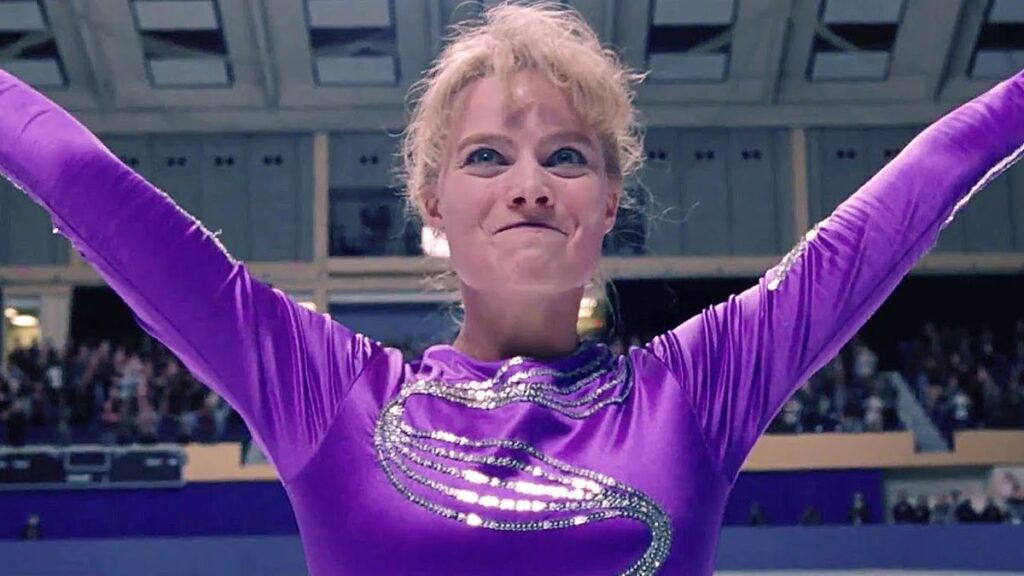
Tonya Harding, from the movie I, Tonya, is a figure skater who shows crazy talent on ice from a young age. She grows up with a brutal mom named LaVona in a poor home filled with constant beatings. Even though she nails triple jumps like a pro, Tonya never fits the sport’s prim image, and judges dock her for her rough roots and hot-tempered reactions to their jabs.
Her love life follows the same rough path when she hooks up with Jeff Gillooly, a guy who keeps the abuse cycle she’s always known going. The story tracks her push for respect right up to the attack on rival Nancy Kerrigan, set up by Jeff and his buddy Shawn, a scandal that tanks her career for good.
Tonya Harding’s Backstory
Tonya’s childhood gets wrecked by her dad’s abandonment and zero emotional support at home. LaVona would beat her, embarrass her in public, and treat skating like a cash grab. At 15, she endures sexual abuse from her half-brother, tells her mom, gets dismissed, and ends up fending for herself again.
She grows up feeling everything super intensely but with no one to help sort those emotions. In her lowest moments, she lashes out at people nearby or makes snap choices that dig her hole deeper. When she meets Jeff, she clings to him hard, mixing violence with love since that’s the only affection she’s ever known.
Borderline Traits in Tonya
- Frenzied efforts to dodge real or imagined abandonment
Tonya keeps going back to Jeff even after he beats her. In one scene, she says she loves him and can’t stand being alone. That abandonment fear locks her in an abusive loop, where even scraps of affection beat the loneliness void. - Rocky intense relationships marked by putting folks on pedestals then tearing them down
Her bond with LaVona flips from craving approval to rage-filled outbursts. With Jeff, she swings wild between love vows and hate explosions, making their tie totally chaotic and unpredictable. - Shaky sense of self and identity issues
Banned from skating, Tonya begs the judge to jail her, saying she can’t do anything else. Her whole self is wrapped up in the ice, so losing it leaves her clueless about who she is or her worth. - Self-sabotaging impulses
She snaps at judges’ and mom’s taunts with raw impulsivity. She cusses out, swings fists, throws rage fits that trash her rep and career, all fueled by the heat of the moment with zero thought for fallout. - Emotional rollercoaster: moods flip fast and fierce
Tonya beams after landing a jump perfectly, then crashes into tears or fury seconds later over a low score. Those mood swings hit sudden and hard, showing how tough it is for her to keep feelings in check. - Out-of-control intense anger
Anger runs her life nonstop. As a kid, she learned the world’s mean and you hit back to survive. Her rage always blows up big and often way out of proportion, leading people to write her off as tough to handle. - Chronic nagging emptiness
Tonya lets slip deep emptiness plenty of times. Skating’s her only outlet, and when it goes south, she spirals. No steady support figure leaves her stuck feeling like nothing truly fills her up.
So, Does Tonya Have Borderline or Just Some Traits?
Looking at the criteria straight-up, Tonya checks off six clearly through the movie. That points to strong overlap with borderline personality disorder behavior patterns. Her childhood abuse history and how often emotional meltdowns hit in the plot hammer home that her pain runs deep and steady.
That emotional weight pulls her from perfect-character territory, making her real and layered. Still, even with the strong match, spotting those traits stays in movie-interpretation territory. The take helps grasp Tonya’s feeling depth in her own story context, not as clinical labels.
Tonya Harding, a Trauma Survivor Carrying Scars
Beyond borderline, Tonya’s actions line up with other issues too. Post-traumatic stress disorder fits solid with her mom’s physical abuse, husband’s domestic violence, and teen sexual assault. Hyper-alertness and hair-trigger reactions are standard for repeat-trauma survivors.
You can spot depression signs across her life too, especially when she feels helpless with no way out. Low self-worth, fed by judges’ and mom’s digs, signals pain bigger than one diagnosis. When those pile up together, they create a messy picture mimicking borderline symptoms.
Lots of folks get support by following my Instagram: @myborderlineview. I share daily stuff there to help make sense of this world.
Take a minute to check out the e-book My Borderline View. It digs deeper into the disorder with insights from someone living the struggles firsthand.
If you haven’t seen the movie yet, give “I, Tonya” a fresh watch. After this breakdown, you’ll catch the character’s layers way better and see her choices stem from a much bigger backstory.
A Story That Shows Human Complexity
Tonya Harding in the film lays out how raw emotions and obvious pain can signal something needs addressing. Borderline personality disorder is tricky, and tons of its signs get missed or shrugged off as “bad attitude.” Nailing it down right steers those dealing with it toward real help.
Spotting traits in yourself, even through a character, might kick off getting real-life support. Improvement happens no matter where you’re at. Symptom relief is real for many who finally land in a nurturing spot to grow.
The End!
HARLEY QUINN IN BIRDS OF PREY SHOWING BPD TRAITS?
Heads up: this spoils major movie moments. Haven’t seen it yet and want to? Save this for later. Characters like her hit different when you catch the layers yourself on screen.
Who’s Harley Quinn?

Harley Quinn used to be Harleen Quinzel, psychiatrist at Arkham Asylum. She gets too close to patient Joker, ditches her whole life to run with him. Birds of Prey (and the Fantabulous Emancipation of One Harley Quinn) picks up right after he kicks her out, leaving her to fend for herself in Gotham.
She’s trying to piece things back together while carrying that relationship-shaped hole in her chest. Black Mask hunts her down, she ends up protecting kid Cassandra Cain, flipping between total rage, reckless choices, and these almost childlike sweet moments.
That rollercoaster vibe makes fans spot borderline personality disorder (BPD) traits all over her. She’s not just comic book crazy, every blowup ties back to something real in her story.
What messed her up young?
Her dad ditched her as a kid, leaving a neediness nothing ever filled. Got street smart quick, always leaning on her brains to survive, but emotionally? Paper thin.
She was sharp as a therapist but fragile inside. Joker sucked her in completely, she rebuilt her entire world around him, eating up beatings and public humiliation just to keep that one person who made her feel loved.
BPD traits Harley’s screaming
- Abandonment terror: Her whole life revolved around not losing Joker. When he dumps her at the start, she lies to everyone, pretending they’re still together.
- Crazy relationships: He was perfect in her head even when he crushed her. With the Birds girls, she swings from “I don’t trust you” to “I’d die for you” in a heartbeat.
- Lost sense of self: Harley Quinn was a costume she wore for him. Without Joker, she stares in the mirror wondering who she even is.
- Self-destructive impulses: Blows up factories, picks impossible fights, jumps into danger without blinking.
- Emotional chaos: Rage blackouts, soul-crushing lows, kid-like giggles, all flipping in seconds.
- Anger overload: Any frustration means grabbing a bat. It’s her go-to when life corners her.
Full BPD or just vibes?
She hits six of nine BPD criteria clean. Makes her human on screen, not just a cartoon villain. Her pain tracks every meltdown.
Harley Quinn’s behavior also points to PTSD from years of abuse she took from the Joker. She shows clear antisocial personality disorder traits too, thriving on chaos while completely ignoring social rules and laws. These overlap with her BPD, making her psychological profile way more tangled and unpredictable.
When you see yourself in her
If this hit close to home, it doesn’t own you. Fictional characters like her hook us because they mirror real fights, but real life needs real support. Getting better’s possible with actual help.
Check @myborderlineview for straightforward stuff that cuts through the noise on BPD.
Haven’t seen the movie?
Fire up Birds of Prey (and the Fantabulous Emancipation of One Harley Quinn) and watch for the quiet breaks, not just fight scenes. Decide for yourself if BPD fits.
Grab the e-book My Borderline View when you get a sec. Digs deeper into making sense of it all.
Climbing out of chaos
Harley’s road shows runaway emotions mean something requires attention. BPD’s tricky, masquerades as “bad temper” or “drama queen.” Spotting yourself in her could be the push to find real help.
Plenty of folks manage symptoms day-to-day with practical therapy and solid people around them.
The End!
DOES ANAKIN SKYWALKER FROM STAR WARS REALLY SHOW SIGNS OF BORDERLINE PERSONALITY DISORDER?
This post has spoilers for the prequel trilogy. If you haven’t watched them yet, it might just push you to check them out. Anakin’s story hits different when you pay close attention.
Who is Anakin Skywalker?

Anakin Skywalker stars as the lead in the prequel trilogy (Episodes I, II, and III), filling in Star Wars origins before the Empire takes over. They introduce him as a kid slave on Tatooine, scooped up by the Jedi young and leaving his mom behind. He grows up shouldering the burden of being the Chosen One with a deep fear of losing the people he loves.
He carries on a forbidden romance with Padmé Amidala. He loses his mom in a heartbreaking way and gets visions of his wife’s death. Palpatine pulls his strings, he chases power to save her, and it all spirals into him becoming Darth Vader.
Fans link his character to borderline personality disorder (BPD) because of those wild emotional swings. What makes him tick shows every extreme move ties back to his rough past.
Anakin Skywalker’s backstory
His childhood was scarred by slavery and getting split from his mom. He wrestled with feelings that overwhelmed him, always on edge about more losses. When his mother dies right in his arms, he snaps into murderous rage. He was desperate for anyone to shield him from that kind of pain.
Signs of BPD in Anakin Skywalker
- Desperate efforts to dodge abandonment
This drives every choice he makes. Visions of Padmé dying freeze him with terror. He’ll do anything, even turn on the Jedi, to avoid reliving the agony of losing his mom. - Rocky, all-or-nothing relationships
He flips from idolizing Obi-Wan to total distrust. With Palpatine, he ditches his old mentor for this father figure who gets his feelings. His love for Padmé is all-consuming until he senses danger. - Shaky sense of self
He’s torn between perfect Jedi, secret husband to Padmé, and the Chosen One. That inner chaos peaks when he goes full dark side as Darth Vader. - Self-sabotaging impulses
He jumps into the heat of the moment. Slaughtering the Tusken raiders and teaming with Palpatine? Pure rash moves with brutal fallout. He bets it all on shaky promises without a second thought. - Explosive anger that’s hard to rein in
Rage is his go-to emotion. Against the Tusken, Obi-Wan, or the Jedi Council, it boils over into violence. Palpatine uses it to reel him to the dark side.
Does Anakin actually have BPD?
Out of the criteria for borderline personality disorder, Anakin nails at least five spot on. That’s a strong match. It keeps him from being too perfect and makes him feel real. Still, this is all fictional fun. Spotting these traits helps unpack his emotions in the story.
Deeper layers of Anakin’s pain
He’s got clear signs of PTSD. Slave kid days, mom split, her death, those are deep cuts. Constant anxiety dogs him, bracing for the next hit. The Jedi Order gave zero room to work through it all.
How does this connect to you?
If these attachment issues and fears feel familiar, know they don’t define you or your worth. Anakin Skywalker‘s path is gut-wrenching because he was this kid buried under massive expectations, lacking real emotional backup or a safe space to deal with losses.
Unlike fiction where fate locks in, real life lets you build change step by step, and healing trauma is doable. Self-awareness and specialized therapy are game-changers for breaking pain cycles, offering the support Anakin never got to face his demons. Asking for help isn’t weak, it’s how you rewrite your story.
Lots of folks find solid support on the @myborderlineview profile. I share thoughts there that might click for you. Dive deeper with the e-book My Borderline View.
Haven’t seen the movies? Rewatch with this lens. Watch Anakin‘s reactions. Draw your own takeaways.
Intensity that calls for caution
Anakin shows how unchecked emotional fire can wreck everything. His obvious suffering is a wake-up call. Borderline personality disorder is tricky, and signs often fly under the radar.
Getting it right helps those living with it seek help. Spotting traits in yourself could be step one. Improvement happens, even full symptom remission with the right therapy.
The End!
DOES FIONA GALLAGHER FROM SHAMELESS REALLY SHOW SIGNS OF BORDERLINE PERSONALITY DISORDER?
Heads up: this piece spoils major parts of Fiona’s story in the show. If you haven’t watched Shameless yet and want to, it’ll help you decide. A character built up over nine seasons deserves to unfold slowly, no shortcuts.
Who is Fiona Gallagher?

Fiona is the oldest of the Gallagher clan, a messy family from Chicago’s South Side. She stepped up to raise her five younger siblings as a kid, after mom bailed and dad Frank drowned in booze. She dropped out of high school to hustle jobs and keep food on the table.
The show tracks her daily grind to hold the family together amid poverty, rocky relationships, and her own shaky feelings. She bounces through unstable gigs. Jumps into passionate romances that start hot and crash hard. Still, her loyalty to her siblings never wavers.
That kind of vibe has fans linking her to borderline personality disorder (BPD) traits. Her arc skips the obvious stuff, showing how every rash move or blowup stems from the heavy load she’s carried since childhood.
Fiona Gallagher’s Backstory
Mom split when she was nine. Fiona became the house mom at an age when she still needed parenting herself. Frank was a no-show sober, a loose cannon drunk.
From way back, Fiona put her needs last. She built hardcore independence to get by, but that tough shell hid a kid nobody nurtured. She chases love all-in because stable affection was never in the cards.
Early responsibility shaped her core. Now she’s the fix-everything adult who won’t ask for help. Cares for everyone but skips herself. Leaves her wide open for relationships where she pours in everything and gets scraps back.
Signs of Borderline Personality Disorder in Fiona Gallagher
- Frantic efforts to avoid abandonment: Fiona carries deep pain from her mom’s exit, overreacts hard if anyone close pulls away, clings tight in relationships even when letting go makes sense.
- Unstable, intense relationships: Her romances hit the same beat every time, all-in at the start with guys like Steve, Adam, Mike, Sean, idealizes them then crashes into disappointment because she can’t spot real security.
- Shaky sense of self: Who is Fiona without the caretaker role? She loses her way as siblings grow up and need her less, unsure who she is or what she wants solo.
- Self-destructive impulsivity: Acts on gut with no brakes, sinks cash she doesn’t have into risky ventures, drinks too much, tries drugs, hooks up recklessly, even risks little bro’s custody in one brutal arc.
- Emotional rollercoaster: Shifts from unbreakable rock to total despair, mood swings hit fast and fierce enough to freak everyone out.
- Chronic emptiness: Surrounded by family yet feels a void nothing fills, hates the quiet when things are smooth, craves drama to drown it out.
- Intense, hard-to-control anger: Blows up often, rage way out of proportion to the trigger then guilt kicks in, smashes stuff, yells, fights as raw defense when cornered.
Does Fiona Have BPD or Just Traits?
Out of BPD’s nine criteria, Fiona Gallagher nails seven clearly across the series. Fear of abandonment, rocky relationships, fuzzy identity, impulsivity, emotional swings, constant emptiness, and explosive anger all play out in her life.
That lines up strong with the disorder. Her reactions, love style, pain, and self-sabotage mirror real folks with borderline personality disorder. Her hurt feels legit even in fiction, making her one damn human character.
Keep in mind: this is just show analysis. Those symptoms craft a layered personality for us to relate to and chew on. High match or not, Fiona‘s diagnosis is made-up, but spotting her emotional patterns can click for anyone in similar spots.
Other Issues in Fiona Gallagher
Beyond BPD traits, Fiona shows stuff that fits PTSD. Childhood abandonment and early burdens left scars. She relives trauma whenever rejection hits.
Signs of substance use disorder pop up too. Drinks or drugs during meltdowns, echoing what she hates in her dad. Key difference: she pulls back before sinking completely most times.
These overlap with personality traits and muddy the waters. Happens in real life too, calls for careful therapy.
When Fiona’s Story Hits Home
If Fiona‘s patterns feel familiar, know they don’t own you. Characters like her entertain and spark thought, but real life needs real support. Healing’s possible with the right backup.
Lots of people find solid info following Instagram’s @myborderlineview. I share stuff there to get BPD without the shame.
If these feel like your life, dig deeper. Check out the E-BOOK MY BORDERLINE VIEW. It dives into deeper thoughts on the disorder, solid starting point for your path.
If You Haven’t Seen Shameless Yet
Give it a shot with fresh eyes. Watch how Fiona handles daily grind, loss reactions, keeps fighting when it all sucks. Catch the layers beyond the chaos. Draw your own take on this gripping character.
Strength from Survival
Fiona Gallagher‘s ride shows intense emotions can signal something needs a look. Borderline personality disorder gets tricky, signs hide in everyday mess.
Spotting traits in yourself, even through fiction, might kick off real help-seeking. Tons of people ease symptoms with therapy and support, no matter the backstory weight.
The End!
DOES CLEMENTINE KRUCZYNSKI FROM ETERNAL SUNSHINE OF THE SPOTLESS MIND REALLY SHOW BORDERLINE PERSONALITY DISORDER TRAITS?
Who is Clementine Kruczynski?

Clementine is the role Kate Winslet nails in Eternal Sunshine of the Spotless Mind. She’s this free-spirited woman with hair that changes colors all the time, caught up in a wild, up-and-down romance with Joel Barish, a quiet, inward guy. Things kick off when Joel finds out Clementine wiped every memory of him after their breakup, using some experimental procedure from Lacuna Inc.
Crushed, Joel goes for the same fix, but midway through reliving the memories, he backs out and fights to hold onto them. The film dives into that mind trip of Joel‘s, flashing back to their rocky relationship full of blowout fights, steamy makeups, and emotional chaos that never lets up.
What hooks you about Clementine is how real and messy she feels. Fans and online threads often link her vibe to borderline personality disorder (BPD) because of the raw emotions, rash choices, and relationships that swing from heaven to hell. She’s built to feel authentic, with every big reaction tied to her backstory and inner turmoil.
What was Clementine’s background like?
The movie doesn’t spell out her childhood, but drops hints about her emotional roots. She straight-up says she’s just chasing her own peace of mind, something that’s always out of reach.
Right away, you see she struggles to feel whole or steady. Constantly dyeing her hair screams identity hunt or fresh starts. Plus, she’s over guys who put her on a pedestal, dropping that killer line: a lot of guys think I’m this concept, but I’m just a screwed-up girl looking for my own peace of mind.
That bit shows she gets her own mess and past relationships where people projected fantasies onto her instead of seeing the real deal. Her snap decisions, like erasing Joel from her brain, hint at old pains and go-for-broke fixes to numb them.
BPD Traits in Clementine
- Efforts to dodge real or imagined abandonment: With Joel, Clementine flips between total closeness and pushing away hard. Wiping his memories is her ultimate move against abandonment fears: better to nuke it all than risk getting dumped again.
- Unstable, intense relationships with idealizing and devaluing: Their thing with Joel is a nonstop rollercoaster. Deep bonds one minute, brutal arguments the next. She calls it out herself, noting how guys build her up then crash when reality hits.
- Self-destructive impulsivity: Erasing Joel tops the list. Instead of grieving the split, she jumps to a drastic quick fix. Hair color switches, outbursts, and wild unpredictability fit the pattern too.
- Emotional rollercoaster: Clementine bounces from highs to crushing lows or fury in no time. Feelings hit hard, and reactions often overshoot the trigger. Her dynamic with Joel mirrors that wild ride.
- Chronic emptiness: Her endless hunt for peace points to a nagging void she tries filling with intense connections and thrills. Calling herself a screwed-up girl shows she carries that ache no matter who’s around.
- Intense, hard-to-rein-in anger: Couple fights reveal a Clementine who blows up quick, spits harsh words, and struggles to dial back the frustration. It bubbles up from deeper places, not just the here and now.
Does she have full-on BPD or just traits?
She hits six DSM criteria for borderline personality disorder clearly and steadily through the film. That’s a strong match. The impulsivity, mood swings, abandonment dread, stormy relationships, inner void, and unchecked rage paint a spot-on picture of BPD life.
That emotional depth keeps her from being some flawless trope, making her feel alive. Still, this is all character analysis territory. Those signs build her rich personality, helping us get her reactions, feelings, and BPD in her own story context.
Other Conditions in Play
Beyond BPD, Clementine shows stuff lining up with PTSD, from past relationships where she got idolized then ditched. There’s also anxiety disorder vibes in her constant restlessness and peace hunt. They overlap, layering her issues and explaining the extreme outbursts.
When Movies Hit Close to Home
If Clementine‘s outbursts, fire, or emotional wobbles feel familiar, know it doesn’t sum you up. Characters like her entertain but also spark real reflection. Things can get better with pro help, and tons of people find their way there.
Lots of folks get support and a sense of belonging following the Instagram @myborderlineview. I share stuff there that busts BPD myths.
If You Haven’t Seen It Yet
Give Eternal Sunshine of the Spotless Mind a fresh watch. Pay attention to Clementine‘s subtleties, breakdowns, and soft spots under the surface. Draw your own take on this gripping, human character.
Maybe check out my e-book My Borderline View too. It dives deeper into BPD reflections.
The Chance to Start Over
Clementine‘s path shows emotional intensity isn’t a flaw, but a heads-up that something needs work. Borderline personality disorder is tricky, with signs often mistaken for a tough personality or normal ups and downs. Spotting traits in yourself, even through fiction, can kick off real-life help-seeking.
First move: reach out to a pro. Symptom remission happens for many who commit to therapy and solid support, no matter the pain’s depth.
The End!
“Disclaimer: This text is an exclusively educational analysis of fictional characters, based on observable behaviors within their story. The goal is to provide clarity on Borderline Personality Disorder, helping those who identify with this disorder to recognize patterns, reflect more safely, and seek therapy with a qualified professional. No part of this article should be interpreted as absolute truth, nor does it constitute a diagnosis, clinical evaluation, or medical opinion.”