Borderline Personality Disorder (BPD) is a complex mental health condition that affects how people perceive themselves, others, and the world around them. Known for intense emotions, unstable relationships, and impulsive behaviors, BPD often leaves a negative first impression on those who interact with someone living with the disorder. But does this initial impression truly define who these individuals are? And how does the stigma surrounding BPD impact their lives? In this article, we’ll explore how extreme behaviors and biased information shape perceptions of BPD. We’ll also discuss examples of public figures associated with the disorder, like Amy Winehouse, and how such portrayals reinforce stereotypes. Additionally, we’ll examine the challenges faced in familial and friendship dynamics, highlighting the importance of moving beyond misunderstandings. Finally, we’ll reflect on how to see past stereotypes and appreciate the complexity of the condition.
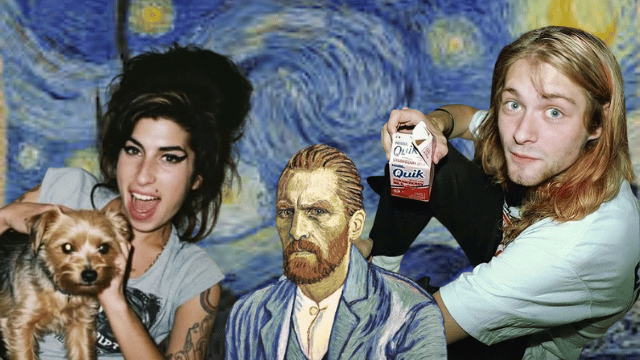
The Borderline Perspective on First Impressions
When you first meet someone with BPD, it’s often their extreme behaviors—emotional outbursts or impulsive actions—that stand out. Rarely do people notice positive qualities during these initial interactions. These intense and impulsive actions, hallmarks of Borderline Personality Disorder, create an immediate impression that often shapes how others judge them.
However, it’s important to remember that these behaviors don’t tell the whole story. BPD involves deep emotional struggles, and many of these actions are desperate attempts to cope with overwhelming feelings. For instance, what may seem like selfishness or thoughtlessness might actually reflect a fight against the fear of abandonment or a search for validation. For those interacting with someone with BPD, it’s crucial to look beyond first impressions and try to understand the pain behind these actions.
Moreover, people with BPD often possess remarkable qualities, such as heightened empathy, creativity, and the ability to form deep connections. Unfortunately, these traits are rarely noticed during initial encounters because they’re overshadowed by moments of crisis. Recognizing these strengths is essential for forming a balanced and fair perspective on the disorder.
Biased Information and the Stigma Surrounding BPD
But what exactly does “biased” mean in this context? When something is described as “biased,” it means the information presented is skewed or one-sided, favoring certain viewpoints over others. In the case of Borderline Personality Disorder, available information often focuses solely on negative aspects, such as conflicts, emotional crises, and challenging behaviors. This contributes to widespread misunderstanding and reinforces the stigma surrounding the condition.
From the start, BPD is associated with negative behaviors like arguments, emotional explosions, or actions deemed “extreme.” This skewed perspective shapes how people view those with BPD, perpetuating the idea that they are difficult or unstable. However, this one-dimensional narrative ignores the underlying causes of these behaviors, such as past trauma, deep emotional struggles, and the constant battle to maintain a stable sense of self.
It’s vital to recognize that BPD is not a choice or a character flaw. It’s a condition that requires patience, empathy, and support. By seeking to understand the causes and contexts of these behaviors, we can begin dismantling prejudices and create a more welcoming environment for those living with BPD. This includes acknowledging that, despite the challenges, people with Borderline Personality Disorder have much to offer—from their unique sensitivity to their ability to build genuine connections.
Public Figures and the Link Between BPD and Suffering
Public figures like Amy Winehouse are often associated with BPD, but their stories are typically told through the lens of tragedy. While her music and talent continue to inspire millions, the dominant narrative focuses on the darker side of her life, reinforcing the association between BPD and suffering. This stigma not only harms public perception of the disorder but also directly affects those living with it, amplifying feelings of inadequacy and isolation.
However, it’s important to emphasize that BPD doesn’t fully define who these individuals are. Amy Winehouse, for example, was much more than her personal struggles. Her art, voice, and passion for music left a lasting legacy that transcends the stereotypes associated with the disorder. Similarly, people with BPD possess unique qualities that deserve recognition, such as their loyalty and dedication.
By challenging the narrative that BPD is always linked to suffering, we can help create a space where these individuals feel valued for who they truly are, rather than just the difficulties they face. This requires a cultural shift that values human complexity and recognizes that the disorder is only one part of someone’s story, not the entirety of it.
Impact on Family Relationships
Even when you meet someone without knowing they have BPD and only learn about it later, the relationship can become complicated. The diagnosis often reinterprets past interactions, leading to misunderstandings and judgments. Within families, this dynamic is even more pronounced. Children, mothers, fathers, or siblings with BPD are often labeled as “difficult” to deal with, intensifying the impact of BPD on family relationships.
For those with the disorder, this perception can be devastating. The fear of abandonment, a hallmark of BPD, often leads to desperate efforts to avoid distance, but these behaviors can end up pushing others further away. However, it’s important to remember that these actions aren’t malicious or selfish—they reflect a deep internal struggle and a genuine need for connection and security.
Families play a crucial role in creating a supportive environment for someone with BPD. By seeking to understand the disorder and offering empathy instead of judgment, it’s possible to strengthen family bonds and create a space where everyone can grow together. Additionally, recognizing the unique qualities of someone with BPD, such as their loyalty and dedication, can help transform tense relationships into deeper, more meaningful connections.
Challenges in Understanding Friendships
A friend with BPD might leave you feeling confused at times, especially when their actions seem unpredictable or hard to understand. When you try to research the disorder, you often find only negative or stigmatizing information, increasing the difficulty of understanding friendships with someone who has BPD. This lack of proper support and accurate information can create barriers that make mutual support more challenging.
However, by investing time to learn about BPD and practicing empathy, it’s possible to build deeper, more meaningful friendships. People with Borderline Personality Disorder are often incredibly loyal and dedicated to their friends, even if their ways of expressing this differ from societal norms. They also possess a unique ability to connect emotionally with others, offering genuine support during times of need.
Therapy serves as an essential tool for both those with BPD and their friends. For those interacting with someone with the disorder, therapy can help develop strategies to handle challenging situations and provide emotional support. For individuals with BPD, therapy is crucial for learning to regulate emotions and improve interpersonal relationships.
Recognizing Human Complexity: Beyond Stereotypes
While Borderline Personality Disorder is often associated with extreme behaviors and moments of crisis, it’s essential to recognize the human complexity that exists beyond these stereotypes. BPD doesn’t fully define who someone is—it’s just one aspect of their identity. By seeking to understand the causes and contexts of behaviors associated with the disorder, we can begin offering more empathetic and effective support.
For those interacting with someone with BPD, practicing patience, empathy, and open communication is key. By looking beyond first impressions and stereotypes, it’s possible to build deeper, more meaningful relationships. For those with the disorder, seeking professional help and emotional support is crucial for managing daily challenges and finding paths toward symptom relief.
If you’d like to learn more about how to navigate Borderline Personality Disorder and build stronger connections, check out the profile @myborderlineview , where inspiring stories and practical tips are available for anyone seeking to better understand this journey. You can also explore the e-book My Borderline View , which offers valuable insights for those looking to deepen their understanding of the topic.
The End!