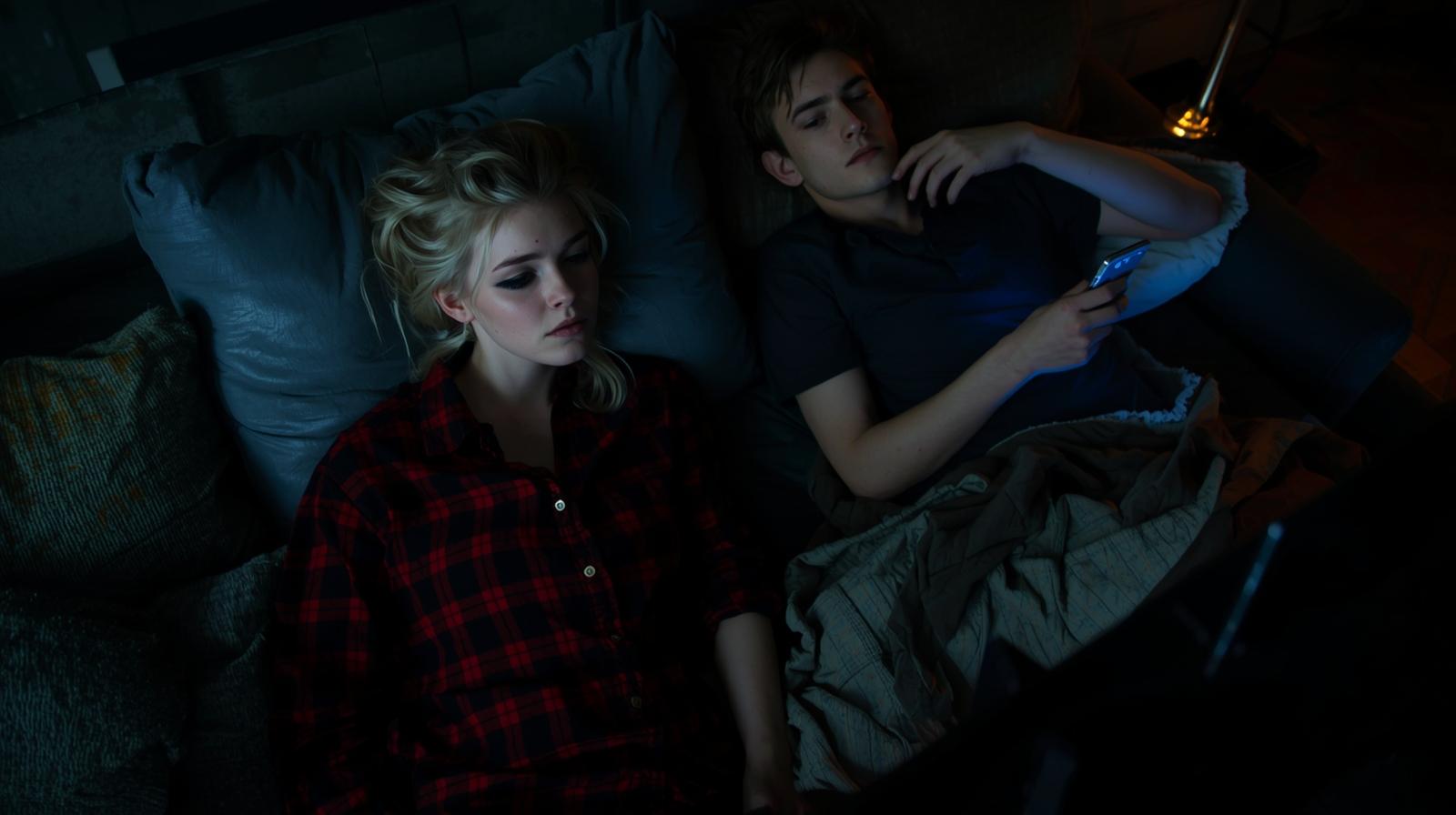
Do you feel like in your borderline personality disorder the routine with your partner turns into a cage squeezing tighter each day? Waking up to the same talks, same silences, and that stuck feeling isn’t just boredom. In BPD it’s lived as an alarm signal because fear of monotony hits right at emotional instability. Let’s get straight to how this shakes up relationships with someone with BPD and what really happens.
Main points of the article:
- Fear of monotony in borderline disorder arises from predictable routine triggering fear of abandonment.
- Emotional instability turns normal couple days into triggers for relationship crises.
- Couples can handle BPD with novelties without drastic changes.
- Couple routine with BPD needs balance so boredom doesn’t lead to fights.
- Recognizing these patterns helps build stronger bonds even if BPD affects the couple relationship.
Fear of monotony in relationships with BPD
In relationships with someone with BPD, fear of monotony sprouts when days repeat without surprises. You feel your partner pulling away just because dinner’s always the same or nights end routinely. It’s not whimsy, it’s borderline personality disorder reacting to stillness perceived as threat.
Emotional instability magnifies it all. A weekend without plans can spark panic that affection vanished. That’s why couples face constant pressure to refresh and keep the connection alive.
Understanding it lets you see the issue isn’t the partner, but how BPD reads everyday life. Breaking it with small details makes a difference without messing everything up.
How to handle routine in couples with BPD
Couples can handle BPD by setting flexible routines dodging emptiness. Start switching dinner times or sending surprise texts during the day. That way fear of monotony weakens because there’s something to look forward to pleasantly.
Couple routine with BPD works better with shared but adaptable rhythms. Talk openly about what bugs in repetition and agree on simple outings like a different walk. This eases emotional instability without exhaustion.
Gradually those tweaks become habit and the relationship breathes. The key lies in acting before boredom turns into relationship crisis.
Emotional instability from monotony in BPD
Emotional instability from monotony in BPD bursts when routine drains the couple’s spark. You wake up annoyed because nothing changes and your partner seems distant. In borderline disorder, this ignites fear of abandonment instantly.
Minor details like the same couch or same shows become enclosure symbols. Emotions swing from apathy to anger without warning. That’s how couples notice BPD affects the couple relationship in those moments.
Spotting the pattern allows pausing and adding something fresh. That way emotional instability fades and the day goes smoother.
BPD and fear of routine in relationships
BPD and fear of routine in relationships create a loop where predictability scares more than arguments. You need movement to feel alive in love. Fear of monotony makes your partner tiptoe fearing mistakes.
This builds friction because one seeks calm and the other constant motion. In relationships with someone with BPD, balancing demands frank talk about limits. No one needs to turn clown all day.
With mutual patience, the couple finds ways to spice without wearing out. Borderline personality disorder progresses with such daily tweaks.
- Switch one weekly meal to something easy both enjoy to break fear of monotony cycle.
- Plan one monthly surprise outing, like new movies, to nourish relationships with someone with BPD.
- Chat daily about one good daily moment to counter emotional instability in couple routine with BPD.
- Create light nightly ritual, like swapping compliments, to prevent BPD affects the couple relationship.
- Seek couples therapy for tools handling relationship crises born from boredom.
BPD relationships must avoid monotony
BPD relationships must avoid monotony to stay solid. Overlooking leads to blowups because fear of abandonment mixes with boredom. Successful couples bet on constant freshness without excess.
In borderline disorder, routine becomes silent foe. Partners learn announcing novelties ahead to lower anxiety. Thus affection flows without sudden stumbles.
That precaution strengthens ties and proves couples can handle BPD practically and enduringly.
BPD symptoms in couples fearing routine
BPD symptoms in couples fearing routine include rising irritability and fights over trifles. Fear of monotony fuels emotional instability, making partner feel lacking. Typical when BPD affects the couple relationship.
They spot sequences like long silences or urges to argue to feel something. Seeing as symptom lifts mutual blame. Therapy helps navigate those waters without sinking.
With tweaks, couple turns fear into shared growth chance.
Many in similar spots share like stories in comments of profiles like @borderlineinsight. There you see you’re not alone on this borderline personality disorder path and find real tips from those who lived it.
If you want to dive deeper into reflections stabilizing daily emotions, the E-book Borderline Insight offers direct practical approaches to carry with you.
Path to routines uniting not separating
Fear of monotony in couples with borderline personality disorder loses power when acting with clarity and partnership. Well-calibrated routines keep flame lit without consuming all. You deserve love growing with your needs.
END!