SPOILER ALERT: This piece dives into key plot points from Beverly Vance’s story in the movie Hillbilly Elegy. Haven’t watched it yet? Think of this as your nudge to jump into a raw tale about family ties, old wounds, and finding your way back to yourself.
Who Is Beverly Vance?
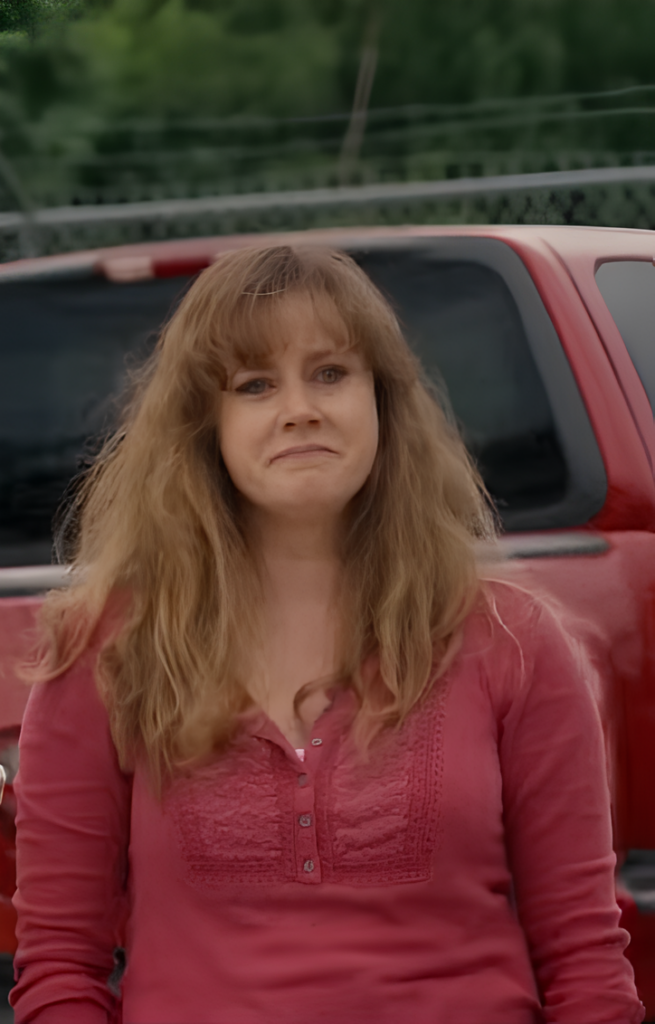
Beverly Vance is J.D. Vance’s mom in the film version of Hillbilly Elegy, directed by Ron Howard. She’s right at the heart of a gritty look at love in a family crushed by poverty, addiction, and emotional chaos. Amy Adams brings her to life with gut-punching honesty, and Beverly isn’t some straight-up villain or helpless victim. She’s caught in a loop, repeating the mess she grew up with, even as she fights hard to give her kids something better.
We see her story through J.D.’s eyes, flipping between his fancy Yale Law School days and rough childhood in Middletown, Ohio. At first, she’s this lively young mom building family traditions and keeping everyone close. But then come the out-of-control anger bursts, violence, and a drug habit that eats her alive. She was a nurse until she lost her job and license over controlled meds, spiraling straight into heroin.
No doctor hands her a borderline personality disorder label on screen, but her reactions scream it: sheer panic at being left behind, rocky relationships, and a sense of self that crumbles under pressure. Folks walk away feeling a mix of mad, sorry for her, understanding, and that uneasy “I get it” vibe if you’ve been there.
Her Backstory
The movie makes it crystal clear: Beverly’s adult mess didn’t pop up out of nowhere. She came from a total trainwreck home. Her dad, Jim Vance (Papaw), turned mean when he drank, and her mom, Bonnie (Mamaw), spent years shielding the kids while scraping by. That’s the love she learned, love laced with blowups, care mixed with ghosting, no steady ground ever.
As a teen, she got pregnant with J.D. and tried breaking free. Left home, went to nursing school, aimed to ditch the family script. But her toolkit for feelings was straight from childhood: bottle it up till it blows, numb out with substances, lash out in rage or despair when abandonment loomed. The film skips fine details on other traumas, but her emotional rollercoaster was there long before drugs took over, just waiting for the right push to collapse.
BPD Traits in Beverly Vance
What stands out in Beverly is this intense, over-the-top emotional rollercoaster tied to a life of shaky bonds. Not a shrink’s note, but her actions line up tight with borderline personality disorder criteria.
Desperate grabs to dodge abandonment: She falls apart if J.D. or Lindsay pull away. After J.D. moves in with Mamaw post that near-hit-and-run, she shows up at his job, begs, cries, pulls every trick to reel him back. It’s not control, it’s the gut-wrench of being alone.
Rocky relationships with love-bombing and trashing: With kids and boyfriends, it’s all or nothing. One minute she’s the fun mom at the pool making real memories, next she’s raging, blaming, chucking stuff, sometimes same day. Partners ride in as saviors, then catch the same heat.
Self-sabotaging impulses: Drugs are the big one. She steals meds at work as a nurse, loses it all, dives into heroin. Emotionally, it’s grabbing the car to bolt with kids mid-meltdown, threatening wild stuff without a thought to fallout, chasing quick pain relief.
Rapid mood swings: One scene can flip her from warm to wild in moments. J.D. comes home after time with Mamaw, finds her off the rails, reunion joy crashes into screams and verbal attacks fast. No warning, no match to the situation.
Out-of-control anger: Peak is trying to run J.D. down after he won’t lie for her at the hospital. It’s not plotted, it just takes her over. She blacks out on control, risks her son’s life, then can’t even explain it later.
Real BPD or Just Traits?
Five clear criteria pop up steady through the film, matching borderline personality disorder strong. They’re not one-offs, they span her life stages, settings, stick around even in calmer stretches.
What turns strong feelings into a disorder? The repeat plays and how they tangle up her whole world. Beverly’s abandonment terror sparks impulses, those bring fallout that amps instability, instability wrecks relationships. Self-feeding cycle she claws at breaking, but lacks the right fixes.
Still, this is just spotting patterns in fiction, not a clinic eval. Big diff, since seeing yourself in a character sparks real insight, but pros handle your actual story.
Beverly’s Cycle Love Alone Can’t Fix
Beyond BPD signs, she ties into other stuff. Addiction often tags along with impulsivity for folks numbing emotional pain. Her pills-to-heroin path isn’t separate from her mood storms, it’s the same grab at bearing the unbearable.
Hints of repeated depressive dips too. Moments she goes flat, stuck, checked out between blowups. Can’t call it full-blown major depression on top, but the deep hurt links them. Film nails how addiction, emotional mess, profound suffering roll together, no neat boxes.
When the Mirror Hits Harder Than Judgment
Living with borderline personality disorder teaches quick: you spot yourself odd places. Not always labeled characters, but ones nailing that inner logic outsiders miss. Beverly’s that type. Outrageous reactions make zero sense from afar, total recall if you’ve felt the drop of losing your anchor person.
If this rings bells, you’ve likely been there. Love not enough to hold things. Fear your fire pushes away who you need most. Wiped out trying to tame a beast inside. Doesn’t make you bad, just carrying baggage packed before you could pick.
Diff from Beverly and changers? Not love power, but right tools access. Therapy from trauma-savvy pros breaks cycles. Plenty stick with it, grab stability once unthinkable.
If You Haven’t Seen It
Hillbilly Elegy ain’t easy viewing. Forces you to face a woman crumbling without boiling her down to lows. Unsettles sans tidy redemption, doesn’t ditch her in a bad-guy box. Watch open-eyed: less judge, more understand what keeps a life unraveling.
Follow @myborderlineview on Instagram for a spot treating borderline personality disorder real, no hype. Made for insiders living it.
Wanna dig deeper? The e-book My Borderline View unpacks more than fits here. Built for self-knowing, not just facts.
Patterns on Repeat, But Changeable
Beverly’s kid years didn’t gear her for emotion management. She echoed patterns, scarred loved ones deep, hurt in ways few around held space for. Naming BPD traits spotlights what’s plain for sharp eyes, not slapping labels.
For folks in it, naming splits pattern from core you. That screaming intensity? Signal your feels run hot, need fresh lens. Getting the real picture starts the help hunt. Help’s out there. Real gains hit with solid therapy backing, many rebuild feel ties once pipe dream.
If you saw yourself, know this: you’re not alone.
The End!
Disclaimer: This is purely educational breakdown of a fictional character, [Beverly Vance, Hillbilly Elegy movie], from on-screen behaviors. Aims to spotlight borderline personality disorder patterns so folks relating can reflect safe, seek qualified pros. No absolutes here, no diagnosis, clinical take, or medical advice.