“Borderline between what and what?”
That’s the question Susanna throws at the doctor during her first session, and it echoes in her mind over the eighteen months she’s locked up in there. The psychiatrist just dropped the diagnosis. She doesn’t get it. Nobody bothers to break it down. The word feels like some empty sticker adults slap on when they’ve run out of ideas. The whole movie follows her trying to figure out if it’s legit or if she’s just a confused kid. Viewers who have gotten that borderline personality disorder label themselves know the unease of not having a solid answer.
Heads up: this piece has spoilers for the movie Girl, Interrupted.
Who Is Susanna Kaysen?
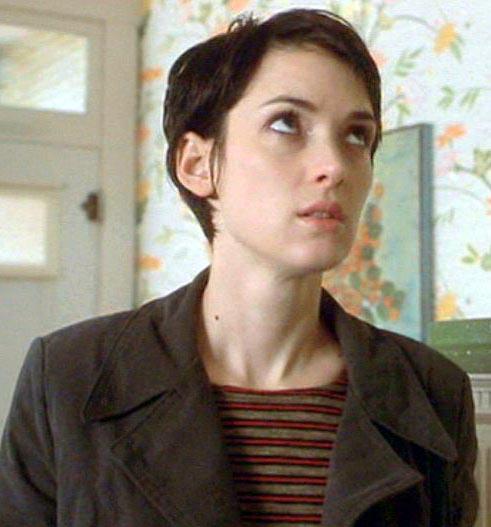
Susanna lives with her folks in Massachusetts. She’s smart, writes well, ought to be in college. Instead, she spends days sprawled on her bed, smoking and staring at the ceiling. She tells the shrink straight up that nothing sparks joy for her. She’s not bluffing.
The movie packs her story into a short runtime, but it covers a long hospital stay. Susanna lands at Claymore Hospital after washing down aspirin with vodka. She calls it a half-hearted try herself. Wasn’t sure she wanted to die. Wasn’t sure she wanted to live either. More like a messy impulse than any real plan.
Inside, she meets the other girls. Lisa runs the show, says what no one else dares, bolts out whenever, mocks the therapists to their faces. Daisy stashes roast chicken under her bed and eats alone. Georgina lies about everything. Polly‘s face is scarred from burns. Susanna doesn’t quite fit with any of them, but she’s not so different. They’re all there because the outside world couldn’t handle them somehow.
What sets the movie apart from any textbook is how it captures the grind. A therapy talk that goes nowhere. A breakout with Lisa that blows up. Daisy‘s death that no one stops. Bit by bit, Susanna realizes staying forever isn’t the fix. Leaving clueless isn’t either.
Signs of Borderline Personality Disorder in Susanna Kaysen
- Shaky sense of self: Susanna has no clue who she is. She apes Lisa‘s moves, then pulls back. Claims she feels nothing, then sobs uncontrollably. One scene has her staring in the mirror, wondering if she’s even there. It’s not some deep philosophy thing. It’s like lacking a core, pieced together from bits that don’t match.
- Constant emptiness: That line she keeps telling the shrink nails it: “I don’t feel excited about anything.” She’s not sad around the clock. She’s hollow. Sadness has a shape and direction. Emptiness is bottomless, nothing fills it up.
- Emotional rollercoaster: Susanna laughs with Lisa, fights her, drifts away, comes back. Calm one moment, crumbling the next. The shifts don’t need big triggers. They bubble up inside, hit fast, fade just as quick.
- Intense anger hard to rein in: Susanna‘s rage doesn’t blow like Lisa‘s. It’s quieter. She smashes small stuff. Cuts back with sharp sarcasm. Holds grudges against parents who sign her commitment papers and bail without checking in. The anger simmers, but she doesn’t know how to handle it.
- Repeated suicidal urges: The aspirin-vodka mix got her admitted. But it’s not a one-off. Later, she talks about wanting to vanish, to not exist. No firm plan. Just thoughts that keep knocking, like an annoying neighbor who won’t take a hint.
Does Susanna Have BPD or Just Traits?
Five consistent signs throughout the film point to a strong match with borderline personality disorder. She shows shaky identity, constant emptiness, emotional ups and downs, intense anger, and repeated suicidal urges.
The film stands out by showing a label alone doesn’t solve much. Susanna turns a corner when she stops forcing herself into others’ boxes and figures it out her way. That final scene, leaving with a notebook in hand, isn’t full recovery. It’s a start.
Five consistent signs throughout the film point to a strong match with borderline personality disorder. Still, this is just spotting patterns in a fictional tale, not a real clinical check. That line matters, since recognizing stuff in a character can spark self-insight, but it never beats a pro looking at your actual life.
Susanna Kaysen, Confusion Before the Label
Beyond BPD signs, Susanna has behaviors that hint at other issues.
- Depression shows in her isolation, lack of pleasure, trouble getting out of bed. But her low moods aren’t steady. They lift when Lisa shows up. Crash back when quiet hits.
- PTSD is another angle the film skips. Her thing with the English professor, an authority figure, isn’t framed as trauma. Viewers pick up the scars though. She distrusts men. Distrusts adults. Braces to get played.
The film’s real honesty is leaving things open. Susanna walks out with more questions than answers. But she walks out writing. Writing makes her feel alive when nothing else does.
The Void from Within
Susanna had all the basics covered. Home, food, school, clothes. But no one asked how she was holding up. When she tried to end it, dad paid the bill and moved on. Mom visited, then left.
Borderline personality disorder often stems from years of feeling dismissed, left behind, with no one putting a hand on your shoulder to really ask what’s wrong.
Want real takes on BPD plus breakdowns like this on characters and mental health? Follow me at @myborderlineview.
For a deep dive from someone living it, check my e-book My Borderline View.
If You Haven’t Seen It Yet
Girl, Interrupted* streams on several platforms. Winona Ryder plays Susanna, Angelina Jolie steals scenes as Lisa in career-best form. Watch it to see why it’s a touchstone for so many with borderline personality disorder.
For folks with BPD, naming the unnamed mess is huge toward getting on track.
Plenty who’ve stuck with therapy steady have found balance they thought impossible. Real therapy doesn’t erase you, it just shifts how you handle the rough stuff, makes it way more bearable.
The End!
Disclaimer: This is purely an educational look at the fictional character Susanna Kaysen from Girl, Interrupted*, based on what’s shown in her story. It aims to clarify borderline personality disorder so folks who relate can spot patterns, reflect safely, and seek qualified help. Nothing here is absolute truth, diagnosis, clinical eval, or medical advice.