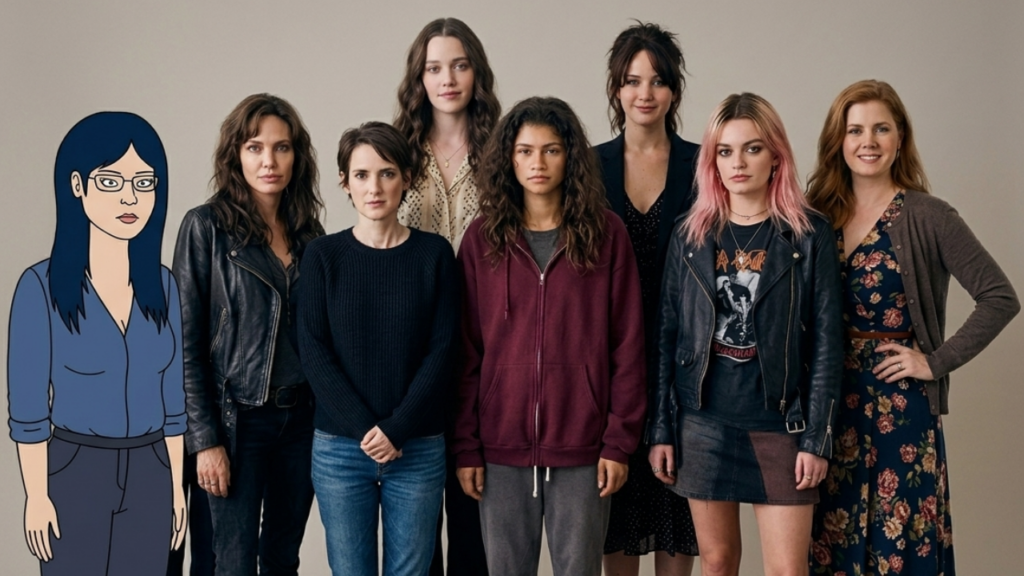
The way pop culture deals with mental health has come a long way, and Borderline Personality Disorder (BPD) is easily one of the most talked-about topics among fans and professionals alike. Whether a character has an explicit diagnosis or just acts in a way that checks every clinical box, they give us a real look into how messy human emotions can be, from that deep-seated fear of being abandoned to the kind of impulsivity that’s hard to reign in.
In this article, we’re going to look at characters from movies, TV shows, and books who show clear signs of BPD. Our goal is to look past the stereotypes and explore how fiction portrays what it’s actually like to live with extreme emotional shifts and the constant struggle to figure out who you are.
In this article, we’ll be looking at Diane Nguyen (BOJACK HORSEMAN), Love Quinn (YOU), Tiffany Maxwell (from Silver Linings Playbook), Rue Bennett (Euphoria), Gia — (Fame and Ruin), Beverly Vance (Hillbilly Elegy), Maeve Wiley (Sex Education) Susanna Kaysen (Girl, Interrupted)
Here’s what you’ll find:
- In-depth analyses of officially diagnosed characters.
- Discussions on “coded” characters (those displaying traits without an explicit diagnosis).
- A roundup of articles from our site with character breakdowns.
Character Index
Use this index to jump straight to a specific character’s analysis:
- Diane Nguyen (BOJACK HORSEMAN)
- Love Quinn (YOU)
- Tiffany Maxwell (from Silver Linings Playbook)
- Rue Bennett (Euphoria)
- Gia Carangi (Gia — Fame and Ruin)
- Beverly Vance (Hillbilly Elegy)
- Maeve Wiley (Sex Education)
- Susanna Kaysen (Girl, Interrupted)
DOES DIANE NGUYEN FROM BOJACK HORSEMAN REALLY SHOW SIGNS OF BORDERLINE PERSONALITY DISORDER?
“Disclaimer: This article contains spoilers for major plot points and the series finale.”
Who is Diane Nguyen?
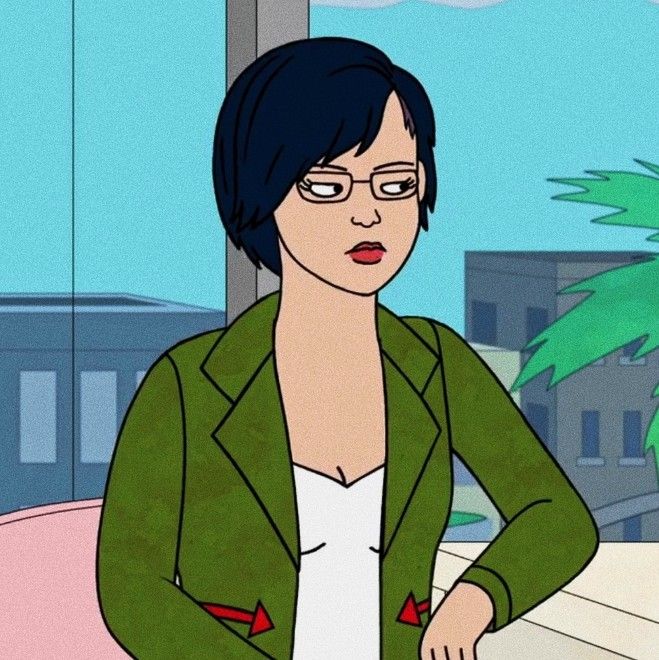
Diane’s a Vietnamese-American writer living in LA, introduced in the first episode of BoJack Horseman as the ghostwriter hired for the main character’s memoir. She rocks glasses, a laid-back style, and sharp smarts that make her the voice of reason most of the time. But under that put-together front, she’s carrying some heavy emotional baggage.
She grew up in Boston with a seriously messed-up family. Her parents and siblings treated her like the black sheep. Back home for her dad’s funeral in season one, they’d mock her and call her “Cry-ane” whenever she got upset. Her folks were neglectful and seemed to get a kick out of watching her struggle. That lack of support left scars that stick with her through the whole series.
Diane marries Mr. Peanutbutter, this upbeat, outgoing dog who’s her total opposite. Things start off great, but their differences start showing cracks that maybe they weren’t such a match after all. She also gets into this intense, messy friendship with BoJack, a deeply self-destructive guy she keeps trying to fix, even when it wrecks her own mental health.
Over the six seasons, we watch Diane wrestle with depression, anxiety attacks, a rough divorce, figuring out her Asian-American identity, and hunting for some real purpose in life. Fans and online forums often peg her behavior as borderline personality disorder (BPD), thanks to those wild emotional swings and her constant feeling of something missing.
Diane’s layers aren’t random. The writers built a character who’s anything but simple, full of deep traumas and clashing desires. She’s not one-note. Every rash move or anger outburst ties back to her backstory and the emotional mess shaped by her tough childhood. That’s the depth that gets you thinking about what’s really going on inside her.
What was Diane Nguyen’s background like?
Diane’s childhood was packed with emotional neglect and nonstop rejection. She grew up in a home where she didn’t belong, her feelings got laughed off, and she figured out early she couldn’t rely on anyone. Her parents didn’t just overlook her need for love, they almost seemed to enjoy her pain.
As a teen, she already had that raw emotional intensity that set her apart. She craved her family’s approval but got pushed away harder the more she tried. It carved out this emptiness she spent her life trying to fill, through relationships and her career.
She’d act on impulse whenever things hurt. Instead of facing issues, she’d bolt, hole up alone, or make huge calls like jetting off to another country without a second thought. That habit shows how tough it was for her to handle emotional pain.
Diane clung to this fantasy that someone would swoop in and fix her or fill that unnamed void. First with Mr. Peanutbutter, then chasing her roots in Vietnam, and in her complicated bond with BoJack. None of it truly helped though, since the root of it all was deeper.
Signs of BPD in Diane Nguyen
- Frenzied efforts to avoid real or imagined abandonment
Does it show up in Diane? Yep. She’s got this deep fear of being ditched and hangs onto relationships even when they’re toxic, terrified of ending up alone. - Unstable, intense relationships with idealization and devaluation
Does it show up in Diane? Totally. With Mr. Peanutbutter, she flips from seeing him as perfect hubby to picking him apart. Same with BoJack: one minute she’s set on saving him, the next she sees how toxic he is. - Shaky sense of self or identity disturbance
Does it show up in Diane? All the way. She spends the series lost on who she is, jumping projects, heading to Vietnam for roots, and finally admitting she doesn’t recognize her old self anymore. - Self-damaging impulsivity
Does it show up in Diane? Sure does. She makes snap choices like relocating with no plan, quitting jobs out of nowhere, or diving into stuff she knows will hurt her. - Emotional rollercoaster with rapid mood shifts
Does it show up in Diane? Big time. She bounces from super productive days to deep depressions where she can’t get out of bed, with moods flipping fast and fierce. - Intense, hard-to-control anger
Does it show up in Diane? Yes. She bottles up rage that bursts out in fights, grudges she can’t shake, and explosive reactions to frustrations or unfairness. - Chronic feelings of emptiness
Does it show up in Diane? Spot on. She carries this void nothing fills, not marriage or career wins, always chasing meaning for pain that won’t quit.
Does Diane Nguyen have BPD or just traits?
Out of the nine BPD criteria, Diane nails seven spot-on: fear of abandonment, rocky relationships, identity issues, reckless impulses, emotional ups and downs, explosive anger, and that lingering emptiness. It’s a strong match.
How often it happens matters too. These aren’t one-offs, they repeat across the series and mess up her shot at healthy bonds or a steady life. Her pain feels real in the story, helping explain her reactions.
That emotional weight keeps her from being flawless and makes her relatable. She’s not just another cartoon figure. She’s messy, full of contradictions, tough to pin down, like real folks. But keep in mind, this is all fan analysis in fiction land. Even with the fit, slapping a full diagnosis on her stays in the story’s realm, to better grasp her feelings and choices.
Diane Nguyen, caught between depression and anxiety
On top of BPD traits, Diane deals with clear depression and generalized anxiety symptoms. She has spells where she can’t leave bed, loses all drive, and feels wiped out. Anxiety hits as constant future worries, trouble chilling, and overthinking everything.
These often overlap. It’s not one or the other. Folks with BPD frequently battle depression and anxiety too. Diane’s case screams it in how she handles work, love, and self-identity.
At one point she starts antidepressants, and the show nails a real truth: fear of judgment nearly stops her from getting help. But once she pushes through and tries treatment, life gets noticeably better. Problems don’t vanish, but she gains tools to cope.
If you see yourself in Diane
If this rings true for your own life, hear me out: it doesn’t define you. Spotting these patterns, even in a TV character, can kickstart getting real help. Change is doable.
Solid info and support are on Instagram @myborderlineview. I share posts there that bust myths on BPD and prove you can build more stability.
For a deeper dive, check my e-book My Borderline View. It’s reflections from my own path and might spotlight options you haven’t considered.
If you haven’t watched BoJack Horseman yet
Give it a shot, especially watching Diane closely. Notice the over-the-top reactions, quiet moments loaded with feeling, efforts to reconnect with her heritage, blowups with Mr. Peanutbutter, the tangled friendship with BoJack. It’s all crafted to reveal way more than meets the eye.
The journey of someone who learns every pain can turn into growth
Diane’s arc shows intense emotions might signal something needing care, attention, a closer look. BPD is tricky, and signs often fly under the radar, even for those living it.
In the finale, she lands on a big realization. After years twisting traumas to justify her hurt, she sees maybe no grand explanation is needed. Looking back, she knows that old version is still her, despite all the change. Powerful reminder: we can carry the marks and keep moving forward.
With therapy and the right support, tons of people find lighter, fuller lives. Symptom relief happens. Diane found hers. You can find yours too.
The End!
DOES LOVE QUINN FROM THE SERIES YOU REALLY SHOW CHARACTERISTICS OF BORDERLINE PERSONALITY DISORDER?
Heads up: this article contains major spoilers from seasons 2 and 3 of You. If you have not watched it yet, reading this might actually help you decide whether the show is worth your time and give you a sharper eye for what you will find on screen. If you have already seen it, what comes next is going to hit different.
Who Is Love Quinn?
You is a psychological thriller series available on Netflix, based on the books by Caroline Kepnes. The story follows Joe Goldberg, a man who becomes obsessed with the women he idealizes and goes to extreme lengths, including violence, to hold onto those relationships. The series is narrated by Joe himself, which gives the whole story a very particular slant from the start.
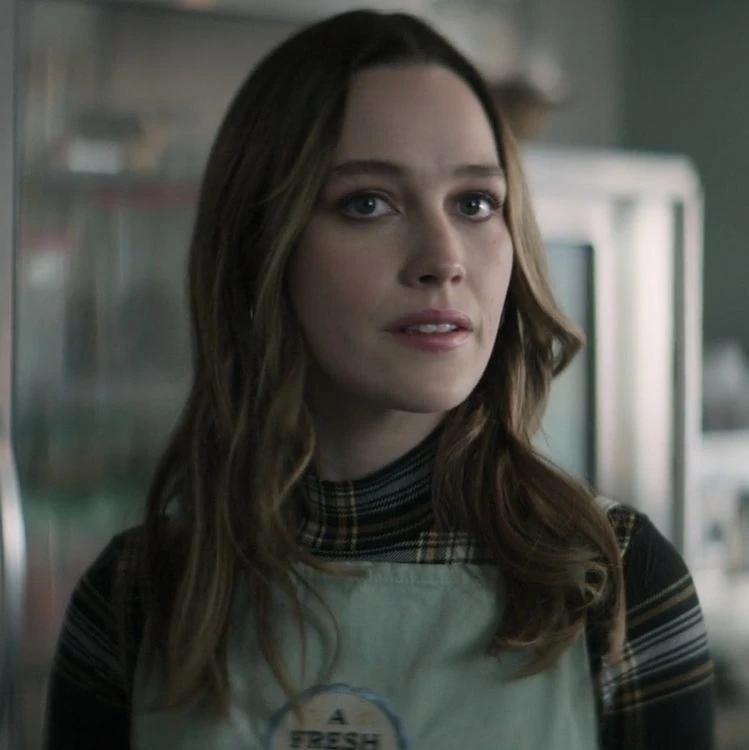
Love Quinn shows up in season 2 as Joe‘s main love interest in Los Angeles. She is a chef, runs a wellness grocery store called Anavrin, and comes across as warm, protective of her twin brother Forty, and someone who connects with people in a way that feels real and disarming.
What the show gradually reveals is that Love carries her own story, one that started long before Joe came along, and it includes losses, secrets, and decisions made in moments of intense emotional overload. The show does not frame her as a one-sided character. She is complex, full of contradictions, and acts from a logic that makes complete sense given everything she has been through.
By season 3, Love and Joe are married and raising their son Henry in the California suburb of Madre Linda. Living together day in and day out brings both of their patterns to the surface in ways that are impossible to ignore. Love shifts between being a present and caring mother and partner, and having intense emotional reactions when she senses a threat to her relationship or the family she has built.
Throughout both seasons, her relationships with Joe, Forty, her mother Dottie, and the people who come in and out of her life reveal a very consistent pattern: a deep need for real connection, a genuine difficulty sitting with the possibility of loss, and reactions that often go well beyond what the situation called for in terms of intensity.
That pattern is exactly what led so many viewers to associate Love Quinn with Borderline Personality Disorder. The show does not hand you a simple character. It gives you a woman with a real history of pain and very specific relational patterns, and that is what makes this analysis worth having.
Characters like Love are not built to be read at face value. They carry trauma, conflicting desires, and behavioral layers that push back against easy judgment. That depth is what sparks genuine reflection, showing that every intense or seemingly erratic choice has roots in that person’s actual history.
What Was Love Quinn’s Past Like?
Love grew up in a financially comfortable but emotionally distant household. Her parents, Dottie and Ray Quinn, are shown as physically present but largely unavailable when it came to emotional support for her or her brother Forty. Dottie in particular comes across throughout the series as controlling and critical, someone who held her kids to a high standard while keeping them at arm’s length.
Love had a previous relationship with a man named James, someone she was deeply in love with who died young. The show makes it clear that she never really processed that loss in a healthy way, and the absence of James left a mark that shows up directly in how she relates to people during the seasons we follow her story.
There is also something from her past that she carried silently for years. When she was young, she stepped in to protect Forty from abuse by the family’s nanny. She held onto that alone, never having a real space to work through what she had lived through or the emotional weight of what she had done. That pattern of absorbing the full weight of extreme situations on her own shows up again and again throughout her story.
BPD Traits in Love Quinn
Among the 9 criteria in the DSM-5 for Borderline Personality Disorder, Love Quinn shows at least five of them consistently and observably across both seasons. Here is how each one shows up in the series:
· Intense efforts to avoid abandonment: Yes. A large part of Love‘s actions are shaped by the fear of losing the people she loves. When she senses Joe pulling away emotionally or turning his attention toward someone else, she does not wait or pull back. She acts, and she acts fast. This pattern shows up repeatedly and consistently across both seasons she is in.
· Unstable relationships with idealization and devaluation: Yes. Love idealizes Joe from the start with an intensity that overlooks clear evidence of who he actually is. Once reality starts breaking through, she cannot hold a balanced view of the relationship. One moment he is exactly what she has always needed, the next he is the source of all her pain. There is no middle ground visible anywhere in the series.
· Impulsivity with significant consequences: Yes. Love‘s most important decisions rarely go through any real weighing of consequences. She acts from whatever emotional state she is in at that moment, and those actions regularly land her in situations with no easy way out. This pattern repeats itself directly throughout both seasons.
· Intense and hard to control anger: Yes. Love‘s anger is one of the most consistent things about her throughout the show. She has a hard time responding proportionally to situations involving betrayal, rejection, or anything that feels like a threat. When something or someone gets between her and what she considers hers, the response is urgent and intense. It is not cold or calculated. It is visceral and immediate.
· Marked emotional instability: Yes. Love moves between very different emotional states at a speed that the people around her struggle to keep up with. In the same situation she can be fully present and warm, and then shift completely the moment something reads to her as rejection. That pattern gets in the way of every relationship she tries to build across the series.
So, Does Love Quinn Actually Have BPD or Are These Just Traits?
Love Quinn shows five criteria of Borderline Personality Disorder clearly and repeatedly across seasons 2 and 3 of You. That points to a high compatibility with the disorder. The impact of these patterns shows up in every part of her life: her romantic relationship, her role as a mother, her friendships, and the choices she makes under intense emotional pressure.
That said, this analysis lives in the space of interpreting a fictional work. Love is a character, and what the writers built is a dense portrayal of emotional and relational patterns that line up with what we know about BPD. It is not a diagnosis. It is a valid reading, one that helps make sense of why her choices follow their own logic even when they are hard to understand from the outside.
Love Quinn and What Else Might Be Going On
Love‘s behavior throughout the series does not come down to a single disorder. Beyond the high compatibility with Borderline Personality Disorder, she shows signs of other conditions that exist at the same time and feed into each other.
Post-Traumatic Stress Disorder is observably present. The death of James, the emotionally distant home she grew up in, the weight of carrying the nanny situation alone, and the accumulated losses throughout her life all left marks that show up in how she responds to stress and perceived threat.
There are also signs consistent with intermittent explosive disorder. This condition is characterized by episodes of intense anger that are out of proportion to what triggered them, come on suddenly, and result in behaviors the person cannot stop before they act. In Love, this is clear: she is not acting from cold planning. She reacts from an emotional trigger and moves before she has processed any of what might follow.
A lot of people watching Love‘s story immediately think of Antisocial Personality Disorder. That is understandable, but that disorder is defined by an absence of remorse, cold and calculated manipulation, and a systematic disregard for others without any real emotional bond involved. Joe is actually a much closer fit for that profile within the same show. He plans, he controls, he acts with a detachment that rarely shows real guilt.
Love functions very differently. She shows remorse, she feels the relational consequences of her actions, and she acts out of genuine emotional bonds, not in spite of them. That emotional weight being present is exactly what separates her from the antisocial profile and brings her closer to the pattern being analyzed here.
On top of that, the need for control over her environment and relationships, combined with a consistent difficulty recognizing other people’s boundaries, points to traits consistent with narcissistic personality disorder layered on top of the main picture. All of these conditions show up together in Love, and it is precisely that overlap that makes her such a dense and hard to categorize character.
When You Recognize Yourself in Love Before You Judge Her
If you watched You and felt something familiar in the way Love loves, in how much she fears losing people, in the intensity of her reaction when something threatens what she has built, that is not a coincidence and it is not a problem. Recognizing patterns in a fictional character can be the first step toward understanding what goes on inside you with more clarity and less self-judgment.
Borderline Personality Disorder does not define who you are or limit what you can build. Many people living with BPD reach a place of much greater stability, healthier relationships, and a relationship with their own emotions that is no longer so overwhelming. That is real and it is possible, and therapy is the most solid path to get there.
For anyone looking for a space where BPD is handled with honesty and without sugarcoating, there is content made specifically for that at @myborderlineview. The topics most people avoid get the attention they deserve over there.
And for anyone who wants to go deeper than what fits in a single post, the e-book My Borderline View brings a more in-depth look at the disorder, written by someone who knows what it is like to live with it. You can find the link in the bio.
If You Have Not Watched You Yet
You is a series that grabs you through its narrative perspective and through characters that push back against easy readings. Love Quinn is one of the main reasons to watch it closely. Knowing what you know now can make the experience a lot richer, because you will catch layers that would have slipped right past you otherwise. It is worth going in and drawing your own conclusions.
What Stays After the Screen Goes Dark
The story of Love Quinn in You shows that intense emotional and relational patterns almost always have a history behind them. Borderline Personality Disorder is complex, and many of its signs go unnoticed for years, including by the person living with it.
Understanding BPD clearly is what makes it possible to find the right kind of support. If any part of this analysis resonated with you, that is already something valuable to know about yourself. Real improvement is possible, and symptom remission is a path that many people reach through therapy and the right support system. It does not matter where you are starting from.
The End!
Does Tiffany Maxwell from Silver Linings Playbook Really Show Signs of Borderline Personality Disorder?
Heads up: this piece spoils key parts of the movie. If you haven’t watched it yet, you might want to come back later.
That said, if Tiffany feels familiar or her actions hit close to home, keep reading. Breaking down her character might uncover stuff you hadn’t picked up on before.
Who is Tiffany Maxwell?

Tiffany Maxwell stands out as a lead in Silver Linings Playbook, the 2012 film directed by David O. Russell and adapted from Matthew Quick’s novel. Jennifer Lawrence brings her to life and snagged an Oscar for Best Actress doing it.
Right from the start, we meet her as a young widow reeling from her husband Tommy’s sudden death in an accident. Since then, her choices have pushed everyone away. She got fired after sleeping around with coworkers, which she chalks up to grief and a massive inner void.
She lives with her parents, has a rough rep in the neighborhood, and people see her as unpredictable and shaky. Tiffany deals with the world through brutal honesty, anger that flares up fast, and real struggles fitting into what society expects.
She crosses paths with Pat Solitano, who’s fresh out of a psychiatric hospital and piecing his life back together after snapping over his wife’s cheating. What grows between them is messy, charged, and full of raw emotion. She strikes a deal: she’ll deliver a letter to Pat’s ex if he dances with her in a competition.
Throughout the movie, Tiffany swings from deep vulnerability to unexpected rage outbursts. She’s hurt yet bold, unsteady but real, tough to love but impossible to overlook.
Fans often link her to borderline personality disorder because of how deeply she feels and reacts, outpacing everyone around her. She’s no villain or flawless hero. She’s just carrying real scars and responding from them constantly.
That’s the point of crafting her this way. Characters like Tiffany push back against snap judgments. Instead of flat and obvious, they come loaded with conflicts, clashing wants, and behaviors that click once you see the backstory. That kind of depth sparks connection and fuels talks on mental health.
What was Tiffany Maxwell’s Backstory?
Tommy’s death hits as the biggest obvious blow in Tiffany’s life, but she was carrying heavy stuff long before. It came out of nowhere, no time to brace, and she lacked the emotional tools to handle the grief without falling apart.
The film peels it back slowly, showing Tiffany always felt things harder than most. She says after losing Tommy, everything vanished in a flash, leaving her unsure who she even was without him.
Her follow-up actions, like the workplace hookups, come off as desperate grabs to fill that huge gap inside, not calculated moves. She craved touch, connection, anything to prove she still mattered.
No deep dive into her childhood, but the way she handles relationships and rejection points to that emptiness being there pre-Tommy.
Signs of Borderline Personality Disorder in Tiffany Maxwell
Looking at her actions in the film against the DSM-5’s nine criteria for borderline personality disorder, a few stand out clear as day:
- Intense efforts to dodge abandonment: Tiffany jumps into a dance contest that’s not her real goal, bargaining hard to keep Pat close. When she senses him pulling away, she mixes manipulation with raw need. Fear of getting ditched drives a lot of her calls.
- Rocky, all-in relationships full of idealizing and devaluing: She built her whole self around Tommy. Losing him left a void she couldn’t navigate. With Pat, it’s intense closeness one minute, blowups the next that nearly wreck it all. No middle ground for her feelings.
- Shaky sense of self and identity issues: Job gone, social standing trashed, wife role vanished, all in a row. The movie paints someone truly lost on who they are. She grabs onto roles, fights hard to protect her image, but cracks show when the armor slips.
- Emotional rollercoaster with fast, fierce mood shifts: One second she’s calm in conversation, the next exploding over nothing big. It happens with family, Pat, even strangers. How quick her mood flips is one of her most striking traits.
- Fierce anger that’s tough to rein in: Her rage isn’t movie spice. It kicks off from anything she reads as rejection or dismissal. Pat mentioning his ex, family trying to rein her in, feeling judged, her reaction blasts way out of proportion and she struggles to dial it back.
Does Tiffany Have BPD or Just Traits?
Tiffany hits five of the borderline personality disorder criteria steadily across the film. That lines up strong with BPD.
What makes it hit harder is how often these show up. Not one-offs from extreme spots. Patterns repeating across people and situations through the whole story. Add the loss history, self-destructive moves post-Tommy, and trouble connecting without wild swings, and it paints a full picture.
That’s what makes her so lifelike. She’s not easy or perfect, her reactions baffle those around her at first. But it all stems from somewhere, and the film lets you see it layer by layer.
Still, even with that strong match, this is fiction analysis, not diagnosis. What she goes through feels real in her world, helping make sense of every move.
Tiffany Maxwell, a Mind in Constant Motion
You can also view her behaviors through other issues that often tag along with borderline personality disorder, adding layers.
Post-traumatic stress disorder jumps out clear (PTSD). Tommy’s abrupt death with no goodbye or prep left scars she didn’t process right. The isolation and impulsive acts after are classic for trauma without proper support.
Depression signs show too, especially how she talks about life post-loss. That emptiness, no purpose, scraping for quick fixes to feel motivated, screams deep funk.
Finally, her impulsivity ties into the personality disorder pattern where self-control just isn’t built steady, not just situational. These don’t cancel out: they overlap and amp each other up.
When Intensity Gets a Name
If you watched the movie and Tiffany rang bells, it’s no accident. Characters like her put a face on feelings many have but can’t pin down.
Borderline personality disorder means emotions cranked to max, rooted deep, but with the right help, you get it and manage. Recovery happens. Plenty see symptoms fade with steady therapy.
If any of this sparks self-reflection, pay attention. Not to label yourself, but to get a clearer picture. Understanding kicks off the process.
Folks following @myborderlineview on Instagram know it handles this stuff carefully, no jargon or hype. It’s a spot where borderline personality disorder gets explained from the inside out.
For a deeper dive, the e-book My Borderline View packs insights too big for one post. Made for folks wanting to truly get themselves, not just read facts.
If You Haven’t Seen It Yet
Silver Linings Playbook delivers way more than the trailer hints. It’s about intense people holding it together in the end, and Tiffany shows how the rawest ones get real about being human. Watch and decide for yourself. You’ll catch game-changing details.
What No One Told You About Tiffany’s Intensity
Borderline personality disorder is complex like that, often misunderstood, full of subtleties you miss without knowing where to look. Tiffany nails what so many live unnamed.
Spotting traits in a character might seem small, but it can start big questions about you. Honest questions asked gently unlock doors you thought stuck forever.
BPD symptom remission isn’t empty talk. It’s a real path starting with choosing to get support, doesn’t matter where you stand now.
The End!
DOES RUE BENNETT FROM EUPHORIA REALLY SHOW SIGNS OF BORDERLINE PERSONALITY DISORDER (BPD)?
Why does a person who clearly loves someone keep doing exactly what will destroy that relationship?
This question appears in the mind of almost everyone who watches Euphoria, and it always comes back to Rue.
She knows the drugs will push Jules away.
She knows the debt with Laurie is dangerous.
She knows her sister suffers.
She knows all of that, and still keeps going.
For someone watching from the outside, it seems incomprehensible.
For someone who knows about borderline personality disorder, it makes total sense.
Attention: this text reveals important parts of the series.
If you haven’t watched Euphoria yet, be aware that reading this will spoil key events in the plot.
But if something in Rue’s behavior has already made you ask that same question, continuing to read may change the way you see her.
WHO IS RUE BENNETT?

Rue Bennett is the main character and narrator of Euphoria, an HBO series created by Sam Levinson and released in 2019. The role is played by Zendaya, who won an Emmy for best actress for this part in more than one season. The show follows a group of teenagers in East Highland, California, and tackles drug addiction, trauma, identity, and mental health with a level of depth that’s rare for this kind of format.
Since childhood, Rue has seen psychiatrists and has been given diagnoses of anxiety, bipolar disorder, and OCD. She starts on medication very early and quickly links certain substances to relief. In the voice‑over narration, she describes the first time she took a pill during a panic attack and how everything suddenly felt quiet. That connection never left her mind.
Rue’s father, Robert, gets sick with cancer and dies during her adolescence. After his death, Rue finds the leftover pills from his treatment and starts using them as a way to cope with grief. What begins as an attempt to bear the pain quickly turns into the only way she knows how to function.
At the start of the series, Rue is 17 years old and has just left a rehab clinic after a serious overdose. Her younger sister, Gia, still a child at the time, is the one who found her unconscious. Rue carries this guilt constantly throughout the whole series. Back home, she tries to stay clean for a short while, but when she meets Jules and the relationship starts to emotionally destabilize her, she quickly goes back to Fezco, her usual dealer and childhood friend, to get drugs.
Over the seasons, Rue gets involved in an intense and unstable relationship with Jules, a trans girl who has just moved to the city. That relationship becomes the emotional center of everything. Jules asks Rue to try to stay sober for the sake of both of them. But by the end of the first season, it’s Rue herself who backs out of the plan they had to run away together. Jules is waiting at the station. Rue shows up, but she can’t bring herself to get on the train. This scene answers the opening question very clearly.
In the second season, Rue makes a deal with Laurie, a dangerous drug dealer involved in much darker situations than just street‑level trafficking. The agreement is simple: Rue receives a suitcase of drugs to sell and pays later. But she uses a big part of what she was supposed to sell, piles up a debt of around ten thousand dollars with someone who doesn’t accept excuses. In the fifth episode of season two, considered by many the most intense of the whole series, Elliot convinces Jules that Rue is in imminent danger. The two of them tell everything to Rue’s mom, and the confrontation that follows is one of the hardest scenes to watch.
On the internet, forums, and Euphoria fan communities, people have linked Rue to borderline personality disorder for years. And the answer to that original question—why she keeps destroying what she loves—is right there, in that association. BPD is not a lack of love. It’s an emotional pattern that works in a way outside‑looking judgment can’t really reach.
RUE BENNETT’S PAST
Rue grew up in a family that tried its best but didn’t have the right tools to handle what she was feeling. From childhood, she had crises the adults around her couldn’t name, only medicate. And the earlier the medication came, the more relief turned into a need.
Her father’s death was the most visible breaking point, but the weight she carried already existed before that. She herself describes in the series that substances were the first thing that made her feel the world was bearable. It wasn’t some impulsive teenage choice. It was a reaction to a pain that no one helped her walk through.
Her father was the person Rue felt safest with. Losing him in adolescence, when she needed emotional stability the most, left a deep mark on everything that came after. And the fact that her little sister, Gia, was the one who found her after that overdose is something Rue carries as guilt throughout the whole story, even though she can’t stop repeating the same pattern.
BORDERLINE TRAITS IN RUE BENNETT
Looking at Rue’s visible behavior across Euphoria’s seasons and comparing it to the DSM‑5 criteria for borderline personality disorder, several points make sense of what first seemed inexplicable.
Intense efforts to avoid abandonment: Rue tries to stay sober not for herself, but to keep Jules close. When she feels the relationship is under threat, she reacts in a disproportionately intense way. Her stability has always been tied to someone else’s presence, and without that external anchor, the ground disappears. That explains why she repeatedly acts against herself: losing Jules feels more unbearable than any consequence the drugs bring.
Unstable and intense relationships, with idealization and devaluation: Jules enters Rue’s life and, in a short time, becomes reason for everything. Rue idealizes her in a way no real person can sustain. When the relationship fails, the fall is just as intense. With Elliot, the dynamic is one of complicity around using, with no real stability. With her mother and her sister, the cycle of closeness and distance shows up again and again across different scenes.
Self‑destructively impulsive behavior: The deal with Laurie to sell drugs answers the opening question directly. Rue steps into a clearly dangerous situation, with someone involved in much darker things than regular drug trafficking, without thinking through the real consequences. She uses a big part of the suitcase she was supposed to sell, deepens a high debt, and puts her own life at risk in a way anyone outside can see, except her.
Emotional instability, with rapid and intense mood shifts: Rue can be calm in one scene and in total crisis the next, without the outside situation justifying the intensity of the change. The scenes where she clashes with her mom, with Jules, and with her friends in the second season show this very clearly. The speed and intensity with which her emotional state changes is one of the most marked elements of the series.
Chronic sense of emptiness: This might be the most direct answer to the question that opens the article. Rue describes, in several moments of the narration, a feeling that nothing makes sense when drugs aren’t around. That emptiness isn’t just passing sadness; it’s a constant she tries to fill in different ways across the whole series, and no relationship or situation manages to fix it for good. She herself says she doesn’t know who she is without drugs.
DOES RUE ACTUALLY HAVE BPD, OR JUST BORDERLINE TRAITS?
Rue clearly shows at least five of the borderline personality disorder criteria in a consistent and visible way across the seasons. That puts this reading at a level of high compatibility with BPD.
What makes this pattern even more striking is how often it repeats. These are not one‑off reactions to extreme events. They show up over and over, in different contexts, with different people, with a regularity that goes way beyond a rough phase or a simple response to grief. Add to that her history of childhood trauma, her persistent difficulty stabilizing emotionally, and her use of substances to regulate what she cannot bear to feel, and the whole picture becomes very dense.
Five observable criteria, showing up consistently across the first two seasons, indicate strong alignment with borderline personality disorder. Even so, what we have here is a reading of behaviors within a fictional story, not a clinical diagnosis. That distinction matters, because recognizing patterns in a character can be a starting point to understand something about yourself, but it never replaces the look of a professional at each person’s real‑life history.
RUE BENNETT, BEYOND THE DRUGS
Rue’s behavior can also be read through other conditions that often show up alongside BPD, which makes the picture even more complex.
Bipolar disorder is mentioned directly in the show, and Rue goes through mood swings that go beyond what you’d expect from drug use alone. Periods of intense energy give way to full‑blown crashes and form part of her pattern across the seasons.
Anxiety has been there since childhood, with panic attacks that come before she even touches any substance. She describes that first medication as something that, for the first time, made the world feel tolerable. That detail is important because it shows her distress didn’t start with drugs.
OCD, also diagnosed in childhood, shapes how she processes information and moves through her daily routine. The chemical dependence itself is both a consequence of all this and a factor that keeps everything more unstable, because the same substances she uses to regulate herself are the ones blocking any real change. These conditions don’t cancel each other out. They coexist, intensify each other, and make Rue’s situation far more complex than any single label can contain.
WHEN YOU SEE YOURSELF IN THE QUESTION
If that opening question has also passed through your mind at some point in your life, it deserves attention. Not judgment—attention. Borderline personality disorder has real roots and a deep impact on how a person feels, reacts, and relates to others. With the right support, that emotional pattern can be understood and worked with, and many people who have gone to therapy consistently have found a stability that once seemed impossible.
Those who follow the profile @myborderlineview on Instagram find a space where borderline personality disorder is handled carefully, without jargon and without sensationalism, built for people who live this from the inside.
And if you want to go deeper into this conversation, the e‑book My Borderline View offers reflections that go beyond what fits in an article. It’s a resource made for people who want to understand themselves, not just gather information.
IF YOU HAVEN’T WATCHED EUPHORIA YET
Euphoria is a show that demands attention. It doesn’t pull punches and doesn’t romanticize what it shows. But that’s exactly why it’s worth watching. Keep the opening question in mind and notice how every move Rue makes seems to answer it a little more with each episode.
WHAT STAYS AFTER THE QUESTION IS ANSWERED
Borderline personality disorder is exactly this: complex, often misunderstood, and full of details that pass unnoticed when you don’t know what to look for. Rue Bennett is a portrait that, even though it’s fiction, reflects with precision what many people live without having a name for it.
Seeing traits in a character can feel like a small thing, but it isn’t. It can be the start of an important question about yourself. And when that question shows up, it deserves to be taken seriously, with the help of someone who really understands what’s underneath. People living with BPD know that improvement doesn’t happen on its own, but it can happen, and that’s worth saying out loud.
The End!
DOES GIA CARANGI FROM GIA — FAME AND RUIN REALLY SHOW SIGNS OF BORDERLINE PERSONALITY DISORDER
Heads up: this post spoils big chunks of the movie. If you haven’t seen Gia — Fame and Ruin yet, you might wanna skip it to avoid story spoilers. But if Gia gave you that weird “this hits close to home” feeling, keep reading, it could click for you.
“I just want to be loved.”
That line sums up Gia better than any long explanation. It’s not just script dialogue, it’s in every move she makes, every wild dive into relationships, every burst of anger when she senses someone pulling away, every hit of drugs to numb pain nobody ever helped her face. If you’re dealing with borderline personality disorder (BPD), you’ll spot the pattern right from the opening scenes.
Who’s Gia Carangi?

Gia rolled into New York from Philadelphia with no real plan, just looks that stopped traffic and energy nobody could ignore. Before long, she was on the covers of top magazines, shooting with big-name photographers, pulling in cash most folks dream of. Her career skyrocketed, fashion world scooped her up, then spat her out just as fast.
She falls hard for Linda, a makeup artist, with a love that smothers. When Linda tries to back off, Gia has no way to handle it. Wilhelmina Cooper, her agent, was one steady thing in her mess; when cancer takes her, Gia breaks for good. Gigs dry up, photo shoots turn into no-shows and chaos, drugs go from habit to lifeline. She dies of AIDS in 1986 at 26, pretty much alone.
Online mental health folks often peg Gia with BPD because of how she feels and reacts. That clingy attachment, the meltdown at any hint of abandonment, jumping into choices without thinking twice, those are dead ringers for anyone living with borderline. She didn’t choose to crash and burn. She just never got the support to deal with what was eating her alive, always reacting from old scars nobody named or healed.
What Was Gia Carangi‘s Childhood Like?
Gia grew up in a house full of nonstop fights between her parents. Home was a pressure cooker ready to blow anytime, teaching her early that everything could flip in a heartbeat. Mom bailed during her teen years to start fresh elsewhere, leaving Gia with dad and the siblings. That rejection bleeds into every connection she tries later, no need for the movie to spell it out.
People who knew her back then describe no middle ground in her emotions. If she liked you, it was all in. Highs were contagious, pulling everyone along. Lows were scary heavy. She chased stability from others that she’d never had at home, piling so much weight on bonds most couldn’t hold up.
Borderline Traits in Gia Carangi
Looking at the movie plus stories from people who knew her, clear patterns line up with BPD criteria:
Frenzied efforts to dodge abandonment: Linda pulls back, Gia begs, shows up unannounced, begs some more, then drowns in drugs when it fails. Wilhelmina‘s death hits harder than normal grief because she was a real anchor. Every loss just proves the fear she’s carried since kid days.
Rocky intense relationships, swinging from worship to trash-talk: Linda becomes Gia‘s whole world in a flash, total dive expected back. Doesn’t happen and Gia flips from begging to rage. Wilhelmina is pure lifeline dependence, her absence a black hole nothing fills.
Self-sabotaging impulses: Drugs aren’t a party choice, they’re instant fixes for hurt. She does them at work, before shoots, when fallout feels less bad than the feeling. Shows up in snap decisions everywhere.
Emotional rollercoaster, fast and fierce mood flips: One minute beaming and charging ahead, dragging everyone with her. Next she’s sunk, barely moving. Shifts hit hard and quick, way out of proportion to what’s going on. Her coworkers never knew which Gia they’d get.
Constant empty feeling: Alone in movie scenes, she’s hunting something she can’t name. Drugs, full-on loves, always needing people around, all band-aids for a hole that won’t close. Even love falls short.
Does Gia Have BPD or Just Traits?
Five steady criteria through the movie, plus real childhood abandonment and patterns repeating across situations, point to strong borderline personality disorder match.
Her meltdowns aren’t one-time stress reactions. They pop up with different people, career ups and downs, inside and outside romance. The pattern sticks no matter what, rooted way before fame or drugs hit.
Still, this is just reading behaviors from a film based on a real story, not a clinical diagnosis. Spotting it in Gia might spark self-reflection, but get a pro to look at your own deal.
Gia, Beyond the Addiction
Her actions also fit other stuff that often tags along with borderline, thickening the mess. PTSD screams from how she flips out at rejection hints, echoing shaky childhood and mom leaving.
Depression kicks in during shutdown phases, can’t even do basics, not laziness but collapse without supports holding her up.
Substance dependence feeds off it all but ramps everything higher, vicious loop. No single piece explains Gia alone.
When You See Yourself in Gia
If the movie struck deeper than just watching a story, pay attention. Borderline personality disorder roots deep, shakes up how you feel, react, connect. With steady therapy, folks get a handle on it, find calm they thought impossible.
Follow @myborderlineview on Instagram for real talk on borderline, done with care and welcome. Stuff made for people living it firsthand.
Wanna dig deeper? The e-book My Borderline View packs extra insights. Perfect for getting yourself, not just info.
If You Haven’t Seen It Yet
Gia — Fame and Ruin hits hard. Watch her alone moments, away from lights and cameras. That’s where the real story lives. Draw your own takeaways.
What She Always Meant to Say
Borderline doesn’t always scream obvious pain to outsiders. It shows as too-much intensity, over-the-top love, outsized anger, choices that make no sense without the backstory. Gia lived it with zero tools or names for her storm.
Seeing those patterns in her can kick off honest questions about you. With pro help, that shifts lives big time. People with borderline who stick with therapy learn calm isn’t luck, it’s a path that’s there even when you can’t see it.
The End!
DOES BEVERLY VANCE FROM HILLBILLY ELEGY REALLY SHOW SIGNS OF BORDERLINE PERSONALITY DISORDER?
SPOILER ALERT: This piece dives into key plot points from Beverly Vance’s story in the movie Hillbilly Elegy. Haven’t watched it yet? Think of this as your nudge to jump into a raw tale about family ties, old wounds, and finding your way back to yourself.
Who Is Beverly Vance?
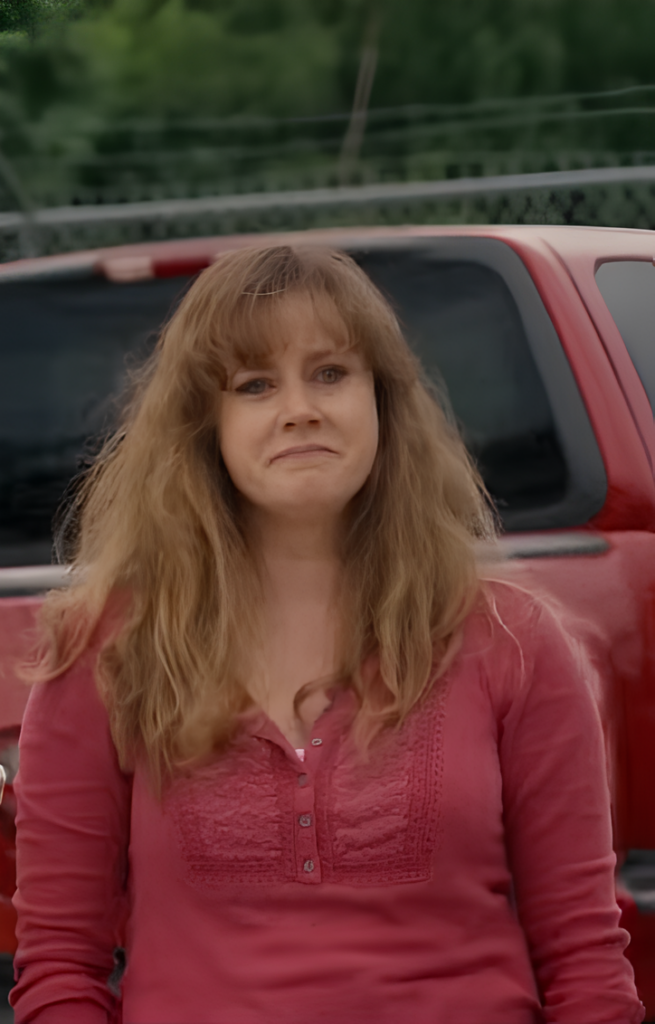
Beverly Vance is J.D. Vance’s mom in the film version of Hillbilly Elegy, directed by Ron Howard. She’s right at the heart of a gritty look at love in a family crushed by poverty, addiction, and emotional chaos. Amy Adams brings her to life with gut-punching honesty, and Beverly isn’t some straight-up villain or helpless victim. She’s caught in a loop, repeating the mess she grew up with, even as she fights hard to give her kids something better.
We see her story through J.D.’s eyes, flipping between his fancy Yale Law School days and rough childhood in Middletown, Ohio. At first, she’s this lively young mom building family traditions and keeping everyone close. But then come the out-of-control anger bursts, violence, and a drug habit that eats her alive. She was a nurse until she lost her job and license over controlled meds, spiraling straight into heroin.
No doctor hands her a borderline personality disorder label on screen, but her reactions scream it: sheer panic at being left behind, rocky relationships, and a sense of self that crumbles under pressure. Folks walk away feeling a mix of mad, sorry for her, understanding, and that uneasy “I get it” vibe if you’ve been there.
Her Backstory
The movie makes it crystal clear: Beverly’s adult mess didn’t pop up out of nowhere. She came from a total trainwreck home. Her dad, Jim Vance (Papaw), turned mean when he drank, and her mom, Bonnie (Mamaw), spent years shielding the kids while scraping by. That’s the love she learned, love laced with blowups, care mixed with ghosting, no steady ground ever.
As a teen, she got pregnant with J.D. and tried breaking free. Left home, went to nursing school, aimed to ditch the family script. But her toolkit for feelings was straight from childhood: bottle it up till it blows, numb out with substances, lash out in rage or despair when abandonment loomed. The film skips fine details on other traumas, but her emotional rollercoaster was there long before drugs took over, just waiting for the right push to collapse.
BPD Traits in Beverly Vance
What stands out in Beverly is this intense, over-the-top emotional rollercoaster tied to a life of shaky bonds. Not a shrink’s note, but her actions line up tight with borderline personality disorder criteria.
Desperate grabs to dodge abandonment: She falls apart if J.D. or Lindsay pull away. After J.D. moves in with Mamaw post that near-hit-and-run, she shows up at his job, begs, cries, pulls every trick to reel him back. It’s not control, it’s the gut-wrench of being alone.
Rocky relationships with love-bombing and trashing: With kids and boyfriends, it’s all or nothing. One minute she’s the fun mom at the pool making real memories, next she’s raging, blaming, chucking stuff, sometimes same day. Partners ride in as saviors, then catch the same heat.
Self-sabotaging impulses: Drugs are the big one. She steals meds at work as a nurse, loses it all, dives into heroin. Emotionally, it’s grabbing the car to bolt with kids mid-meltdown, threatening wild stuff without a thought to fallout, chasing quick pain relief.
Rapid mood swings: One scene can flip her from warm to wild in moments. J.D. comes home after time with Mamaw, finds her off the rails, reunion joy crashes into screams and verbal attacks fast. No warning, no match to the situation.
Out-of-control anger: Peak is trying to run J.D. down after he won’t lie for her at the hospital. It’s not plotted, it just takes her over. She blacks out on control, risks her son’s life, then can’t even explain it later.
Real BPD or Just Traits?
Five clear criteria pop up steady through the film, matching borderline personality disorder strong. They’re not one-offs, they span her life stages, settings, stick around even in calmer stretches.
What turns strong feelings into a disorder? The repeat plays and how they tangle up her whole world. Beverly’s abandonment terror sparks impulses, those bring fallout that amps instability, instability wrecks relationships. Self-feeding cycle she claws at breaking, but lacks the right fixes.
Still, this is just spotting patterns in fiction, not a clinic eval. Big diff, since seeing yourself in a character sparks real insight, but pros handle your actual story.
Beverly’s Cycle Love Alone Can’t Fix
Beyond BPD signs, she ties into other stuff. Addiction often tags along with impulsivity for folks numbing emotional pain. Her pills-to-heroin path isn’t separate from her mood storms, it’s the same grab at bearing the unbearable.
Hints of repeated depressive dips too. Moments she goes flat, stuck, checked out between blowups. Can’t call it full-blown major depression on top, but the deep hurt links them. Film nails how addiction, emotional mess, profound suffering roll together, no neat boxes.
When the Mirror Hits Harder Than Judgment
Living with borderline personality disorder teaches quick: you spot yourself odd places. Not always labeled characters, but ones nailing that inner logic outsiders miss. Beverly’s that type. Outrageous reactions make zero sense from afar, total recall if you’ve felt the drop of losing your anchor person.
If this rings bells, you’ve likely been there. Love not enough to hold things. Fear your fire pushes away who you need most. Wiped out trying to tame a beast inside. Doesn’t make you bad, just carrying baggage packed before you could pick.
Diff from Beverly and changers? Not love power, but right tools access. Therapy from trauma-savvy pros breaks cycles. Plenty stick with it, grab stability once unthinkable.
If You Haven’t Seen It
Hillbilly Elegy ain’t easy viewing. Forces you to face a woman crumbling without boiling her down to lows. Unsettles sans tidy redemption, doesn’t ditch her in a bad-guy box. Watch open-eyed: less judge, more understand what keeps a life unraveling.
Follow @myborderlineview on Instagram for a spot treating borderline personality disorder real, no hype. Made for insiders living it.
Wanna dig deeper? The e-book My Borderline View unpacks more than fits here. Built for self-knowing, not just facts.
Patterns on Repeat, But Changeable
Beverly’s kid years didn’t gear her for emotion management. She echoed patterns, scarred loved ones deep, hurt in ways few around held space for. Naming BPD traits spotlights what’s plain for sharp eyes, not slapping labels.
For folks in it, naming splits pattern from core you. That screaming intensity? Signal your feels run hot, need fresh lens. Getting the real picture starts the help hunt. Help’s out there. Real gains hit with solid therapy backing, many rebuild feel ties once pipe dream.
If you saw yourself, know this: you’re not alone.
The End!
MAEVE WILEY FROM SEX EDUCATION – DOES SHE REALLY SHOW SIGNS OF BORDERLINE PERSONALITY DISORDER?
This article contains spoilers for Sex Education. If you haven’t watched all seasons yet, it’s best to do that before reading.
WHO IS MAEVE WILEY?

Maeve Wiley is a student at Moordale Secondary School, lives alone in a trailer from age sixteen, and sells essays to classmates to pay the rent. Her dad left when she was still a kid. Her mom, Erin, struggled with a drug addiction that kept her going in and out of Maeve’s life. At one point, Erin ended up in prison, and her older brother, Sean, became the only adult caring for Maeve. When Sean also left, Maeve had to handle everything on her own, managing rent, groceries, and school, all at sixteen. There was never a stable adult in her life. There rarely ever has been.
In that context, she meets Otis, the awkward, anxious boy who becomes her partner in starting an underground sex‑therapy clinic in the school. What starts as a strictly business arrangement slowly turns into the most important relationship in Maeve’s life, though it takes her seasons to admit that, even to Otis or to herself. Around her you also have Aimee, her closest friend, the one who really sees her, and a small group of people who keep trying to get close and keep running into a wall Maeve rarely explains.
What makes Maeve so memorable for viewers is that double layer: on the outside, the girl who seems to have everything under control and doesn’t owe anyone anything. On the inside, someone who carries a deep weight the show reveals in small moments, in reactions, in silences. In online communities about the series, Maeve is the character opinions split hardest over. Some admire her independence; some feel frustrated with her distance; and some recognize her from a very specific emotional place, the one where wanting and pushing away at the same time makes perfect sense. That recognition is where this analysis starts.
WHAT WAS MAEVE’S PAST LIKE?
Maeve’s backstory is told in fragments across the seasons, and those fragments build a very consistent picture.
Her dad left when she was very young. Her mother, Erin, had a substance dependence problem that made her flip between unstable presence and long absences. At one point, Erin goes to prison, and Sean becomes the only real caregiver Maeve has. When Sean also leaves, Maeve is left completely on her own, managing rent, food, and school by herself at sixteen.
At fourteen, during a party at a classmate’s house, Maeve says no to a kiss from a boy called Simon. He spreads a sexual rumor about her through the whole school, and a derogatory nickname sticks with her for four years, repeated by people who had never spoken a real word to her. That label shapes how the entire town of Moordale looks at her before she even gets a chance to show who she really is.
That history isn’t just background. It’s the foundation for how the show presents Maeve’s relationships, her fear of abandonment, and her expectation that people will leave.
BORDERLINE‑LIKE TRAITS IN MAEVE
Intense efforts to avoid abandonment
Maeve doesn’t usually ask anyone to stay. She leaves first. With Jackson, she avoids calling their connection a “relationship” until it becomes impossible to ignore. With Otis, she waits until the moment has already passed. With Aimee, she pushes her away exactly when she needs her most. In a scene in season three, Maeve openly admits she pushes people away because she doesn’t know how to accept help.
Unstable, intense relationships with idealization and devaluation
The pattern with her mother, Erin, is the clearest example. Every time Erin comes back, Maeve opens a small door of hope. Then Erin disappoints her, and that door slams shut. In season two, when Erin shows up at the trailer with her little daughter, Elsie, Maeve shifts between wanting to believe and bracing for the worst. When she calls social services, it’s not a cold, calculated move. It’s someone who still cares too much and doesn’t know what else to do.
Rapid, intense mood shifts
Maeve holds a lot back. But when she lets go, the intensity is way out of proportion to the situation in front of her. When Otis mentions Ruby casually, Maeve reacts as if she’s responding to years of fear of being abandoned, not just one passing comment. When Sean leaves again, the look on her face holds a lifetime of deception packed into a single moment.
Chronic sense of emptiness
That emptiness shows up in the choices Maeve makes when she’s alone in the trailer, in the books that become her real companions, in the way she clings to the clinic project not just for money, but because it gives her a concrete purpose. When Aimee confronts her about pushing people away, Maeve doesn’t argue. She just nods. That quiet recognition says far more than any long explanation.
Unstable self‑image
At Wallace University, when a professor harshly dismisses her work, Maeve doesn’t fight back. She drops the class. She tells him she grew up without anyone telling her she was brilliant, that she made it to college without the kind of support system everyone else around her had. The solid, “got‑it‑together” image she projects on the outside quickly crumbles whenever the ground under her feet starts to shake.
SO DOES MAEVE HAVE BPD, OR JUST TRAITS?
Maeve carries a very heavy history of abandonment, layer after layer. Father, mother, brother. Each one left in a different way, but the result is the same: she learned not to count on anyone. A lot of what she does across the series can be read as a logical, understandable reaction to that past, without needing a label of borderline personality disorder.
At the same time, what the show shows isn’t just isolated reactions to difficult situations. It’s repeating patterns. The pullback from intimacy doesn’t happen once. It plays out with Jackson, Otis, Aimee, and Isaac, in different contexts and across different seasons. The back‑and‑forth with Erin isn’t about one bad episode; it’s a cycle that repeats every time she comes back. Maeve’s struggle to know who she is outside the roles she takes on (the tough girl, the brain of the clinic, Elsie’s stand‑in mother) shows up in both Moordale and Wallace, regardless of time or place.
It’s that consistency in patterns, not the intensity of any single scene, that places Maeve’s journey in a zone that strongly overlaps with borderline personality disorder. At least five observable criteria repeat themselves across the entire story, and that supports the reading of her as a character with borderline traits.
Still, what’s happening here is a behavioral analysis of a fictional character, not a clinical assessment. That’s an important distinction. spotting patterns in a borderline character can help people recognize parts of themselves, but it never replaces the perspective of a professional looking at someone’s real history.
WHAT ELSE MIGHT BE PRESENT IN MAEVE?
When you look at everything Maeve carries through Sex Education, a few other things stand out.
One of the clearest is a trauma response that goes beyond textbook borderline criteria. Growing up without reliable adults, in an environment where abandonment was the rule and not the exception, produces a specific kind of hypervigilance that shows up in Maeve as constant control. She’s not afraid of being alone in the casual sense. She’s afraid of needing someone and then being left, so she structures her whole life to avoid that, even if it means she’s the one who leaves first.
There’s also a kind of attachment anxiety that doesn’t show up as visible panic, but as a calculated distance. Maeve keeps a close eye on the people around her in a way most of them never notice, and at the first hint that something might change, she goes into retreat mode fast. It’s not just shyness or introversion. It’s a learned reaction from a world where paying attention to small signals was a way to survive.
IF YOU SAW YOURSELF IN ANY OF THIS
Borderline personality disorder (BPD) has real roots and a deep impact on how you feel, react, and relate to others. What Maeve shows across Sex Education is that these patterns make sense within a story. When you understand the story behind them, the way you see yourself starts to shift.
With consistent therapy, a lot of people have found a level of stability that once felt impossible. Not because their feelings disappear, but because their relationship with those feelings changes. If you recognized yourself in any part of this, the @myborderlineview profile on Instagram can be a good first step to dig deeper: https://www.instagram.com/myborderlineview/
And if you want to go further before taking the next step, the e-book My Borderline View has helped a lot of people organize what they feel and put it into words: https://myborderlineview.com/e-book-my-borderline-view/
IF YOU HAVEN’T WATCHED THE SHOW YET
Sex Education is a show about sex, yes, but mostly about everything that happens when nobody ever taught you how to feel safe in the world. Maeve is the emotional heart of the series, the character who surprises you by seeming completely familiar in episode one and then revealing she’s a lot more complicated than you thought.
It’s worth watching for her story, which is built with rare care for this kind of character. And it’s worth paying attention to the moments when she’s alone, because it’s in those scenes that the show says the most about who Maeve really is.
WHAT’S LEFT WHEN THE ARMOR DOESN’T HOLD
The emotional intensity that feels out of control starts to make sense once you understand where it comes from. And when it makes sense, it can be worked with. Recognizing borderline traits in yourself, either through a fictional character like Maeve or through your own life, isn’t a diagnosis. It’s a question worth asking with care. People who stick with therapy over time often find that stability isn’t the absence of feeling, but a completely different kind of relationship with what they feel.
DOES SUSANNA KAYSEN FROM GIRL, INTERRUPTED REALLY SHOW SIGNS OF BORDERLINE PERSONALITY DISORDER?
“Borderline between what and what?”
That’s the question Susanna throws at the doctor during her first session, and it echoes in her mind over the eighteen months she’s locked up in there. The psychiatrist just dropped the diagnosis. She doesn’t get it. Nobody bothers to break it down. The word feels like some empty sticker adults slap on when they’ve run out of ideas. The whole movie follows her trying to figure out if it’s legit or if she’s just a confused kid. Viewers who have gotten that borderline personality disorder label themselves know the unease of not having a solid answer.
Heads up: this piece has spoilers for the movie Girl, Interrupted.
Who Is Susanna Kaysen?
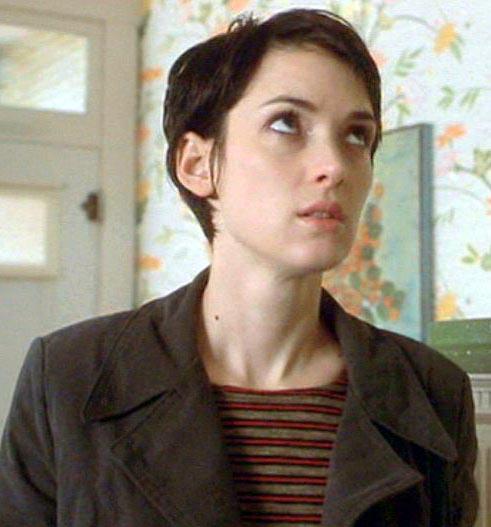
Susanna lives with her folks in Massachusetts. She’s smart, writes well, ought to be in college. Instead, she spends days sprawled on her bed, smoking and staring at the ceiling. She tells the shrink straight up that nothing sparks joy for her. She’s not bluffing.
The movie packs her story into a short runtime, but it covers a long hospital stay. Susanna lands at Claymore Hospital after washing down aspirin with vodka. She calls it a half-hearted try herself. Wasn’t sure she wanted to die. Wasn’t sure she wanted to live either. More like a messy impulse than any real plan.
Inside, she meets the other girls. Lisa runs the show, says what no one else dares, bolts out whenever, mocks the therapists to their faces. Daisy stashes roast chicken under her bed and eats alone. Georgina lies about everything. Polly‘s face is scarred from burns. Susanna doesn’t quite fit with any of them, but she’s not so different. They’re all there because the outside world couldn’t handle them somehow.
What sets the movie apart from any textbook is how it captures the grind. A therapy talk that goes nowhere. A breakout with Lisa that blows up. Daisy‘s death that no one stops. Bit by bit, Susanna realizes staying forever isn’t the fix. Leaving clueless isn’t either.
Signs of Borderline Personality Disorder in Susanna Kaysen
- Shaky sense of self: Susanna has no clue who she is. She apes Lisa‘s moves, then pulls back. Claims she feels nothing, then sobs uncontrollably. One scene has her staring in the mirror, wondering if she’s even there. It’s not some deep philosophy thing. It’s like lacking a core, pieced together from bits that don’t match.
- Constant emptiness: That line she keeps telling the shrink nails it: “I don’t feel excited about anything.” She’s not sad around the clock. She’s hollow. Sadness has a shape and direction. Emptiness is bottomless, nothing fills it up.
- Emotional rollercoaster: Susanna laughs with Lisa, fights her, drifts away, comes back. Calm one moment, crumbling the next. The shifts don’t need big triggers. They bubble up inside, hit fast, fade just as quick.
- Intense anger hard to rein in: Susanna‘s rage doesn’t blow like Lisa‘s. It’s quieter. She smashes small stuff. Cuts back with sharp sarcasm. Holds grudges against parents who sign her commitment papers and bail without checking in. The anger simmers, but she doesn’t know how to handle it.
- Repeated suicidal urges: The aspirin-vodka mix got her admitted. But it’s not a one-off. Later, she talks about wanting to vanish, to not exist. No firm plan. Just thoughts that keep knocking, like an annoying neighbor who won’t take a hint.
Does Susanna Have BPD or Just Traits?
Five consistent signs throughout the film point to a strong match with borderline personality disorder. She shows shaky identity, constant emptiness, emotional ups and downs, intense anger, and repeated suicidal urges.
The film stands out by showing a label alone doesn’t solve much. Susanna turns a corner when she stops forcing herself into others’ boxes and figures it out her way. That final scene, leaving with a notebook in hand, isn’t full recovery. It’s a start.
Five consistent signs throughout the film point to a strong match with borderline personality disorder. Still, this is just spotting patterns in a fictional tale, not a real clinical check. That line matters, since recognizing stuff in a character can spark self-insight, but it never beats a pro looking at your actual life.
Susanna Kaysen, Confusion Before the Label
Beyond BPD signs, Susanna has behaviors that hint at other issues.
- Depression shows in her isolation, lack of pleasure, trouble getting out of bed. But her low moods aren’t steady. They lift when Lisa shows up. Crash back when quiet hits.
- PTSD is another angle the film skips. Her thing with the English professor, an authority figure, isn’t framed as trauma. Viewers pick up the scars though. She distrusts men. Distrusts adults. Braces to get played.
The film’s real honesty is leaving things open. Susanna walks out with more questions than answers. But she walks out writing. Writing makes her feel alive when nothing else does.
The Void from Within
Susanna had all the basics covered. Home, food, school, clothes. But no one asked how she was holding up. When she tried to end it, dad paid the bill and moved on. Mom visited, then left.
Borderline personality disorder often stems from years of feeling dismissed, left behind, with no one putting a hand on your shoulder to really ask what’s wrong.
Want real takes on BPD plus breakdowns like this on characters and mental health? Follow me at @myborderlineview.
For a deep dive from someone living it, check my e-book My Borderline View.
If You Haven’t Seen It Yet
Girl, Interrupted streams on several platforms. Winona Ryder plays Susanna, Angelina Jolie steals scenes as Lisa in career-best form. Watch it to see why it’s a touchstone for so many with borderline personality disorder.
For folks with BPD, naming the unnamed mess is huge toward getting on track.
Plenty who’ve stuck with therapy steady have found balance they thought impossible. Real therapy doesn’t erase you, it just shifts how you handle the rough stuff, makes it way more bearable.
The End!
Disclaimer: This is purely an educational take on fictional characters, drawn from on-screen behaviors. It aims to shed light on borderline personality disorder so folks who relate can spot patterns, reflect clearly, and connect with a qualified therapist. Nothing here is gospel, or a diagnosis, clinical assessment, or medical advice.